 FreshDuct
On the first properly hot day of a Melbourne summer, the roof space above your ceiling becomes the hottest part of the house. Anyone who has climbed up through the manhole on a sunny afternoon knows the feeling. The question that follows is a fair one: should you deal with that heat by insulating the ceiling, or by ventilating the roof so the heat can get out?
Quick answer: They do different jobs, and for the rooms you live in, ceiling insulation usually matters more. Insulation slows heat moving down from the roof space into the house, while roof ventilation lets some of the hot air in the roof space escape. Ventilation helps most when the insulation underneath is already in good shape.
The short answer is that these are two different jobs, and they work best together. But they are not equal. For the rooms you actually live in, the ceiling insulation does most of the work, and ventilation helps around the edges. This post explains why, and how to tell which one your house needs.
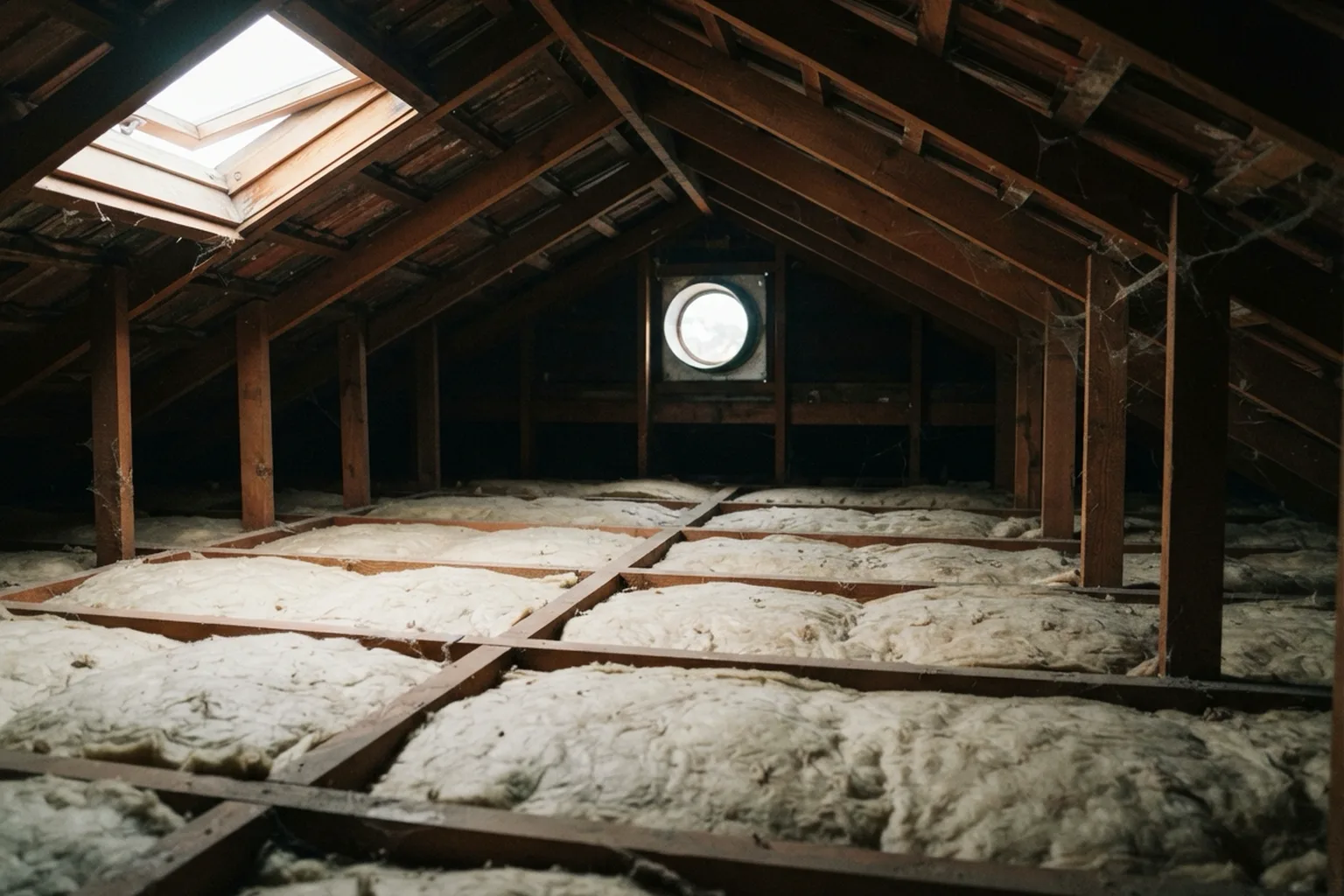
Two different jobs
It helps to picture the roof as two separate spaces. Above the ceiling is the roof space, which sits under the tiles or metal and takes the full force of the sun. Below the ceiling are your rooms. Between the two sits a layer of insulation lying on top of the ceiling plasterboard.
- Insulation slows heat moving from the hot roof space down into the rooms. It does not make anything cold. It simply makes it harder for heat to cross the ceiling.
- Roof ventilation, such as whirlybirds, gable vents, eave vents or powered roof fans, lets hot air in the roof space escape and draws cooler outside air in. It affects the roof space, not the rooms directly.
One works on the barrier between the two spaces. The other works on the air in the top space. That difference is the key to the whole question.
Why the roof space gets so hot
The sun heats the roof covering all day. Dark tiles and dark metal roofs absorb more of that heat, and the roofing then radiates it down into the space below. With little air movement, that heat builds through the afternoon and is still there well after sunset, which is why upstairs bedrooms and rooms under a low ceiling often stay warm into the night.
Some of that heat reaches your rooms by the air in the roof space warming the ceiling, and some by radiation straight from the hot underside of the roof onto whatever is below. Ventilation only deals with the first part. Insulation slows both.
What ceiling insulation does in summer
A continuous layer of ceiling insulation is the main thing standing between a hot roof space and a comfortable room. When it is in good condition, the ceiling stays closer to room temperature even when the space above it is very hot, and the cooling in the rooms below has less heat to fight.
The catch is that insulation only works where it actually is. In many Melbourne homes, the batts have been moved aside by electricians, cable installers or downlight fitters and never put back, or they have settled, gone thin, or been flattened by people walking or storing things in the roof. Even small gaps let heat pour through, because heat takes the easiest path. A ceiling with patchy insulation can perform far worse than its coverage looks on paper.
What roof ventilation adds
Ventilation lets some of the trapped heat out of the roof space, so the space above the insulation is not quite as hot. That means a little less heat pressing down on the ceiling. Moving air also carries moisture out of the roof space, which matters in Melbourne winters, when warm, moist air from inside can condense on cold roofing and timbers.
What ventilation cannot do is stop the radiated heat from a hot roof, or make up for missing insulation. A roof full of whirlybirds over a bare or gappy ceiling will still deliver plenty of heat into the rooms below. Wind-driven vents also only turn when there is a breeze, so they help least on still, hot days.
Which matters more, and in what order
For most homes, the order is simple: fix the insulation first, then think about ventilation.
- Start with the ceiling. Check the insulation is continuous, the right type and thickness for a ceiling, and not compressed, damp or pushed aside. Close up gaps around downlights only with fittings rated to be covered, and keep the required clearances around anything that gets hot.
- Then look at airflow. If the roof space is still very hot, smells stale, or shows signs of condensation in winter, adding or improving ventilation is a sensible next step.
- Do not block what is already there. Insulation pushed hard against the eaves can cut off the airflow that existing vents rely on.
A useful way to think about it is that insulation protects the rooms, and ventilation looks after the roof space. Both are worth having, but the rooms are where you live.
Checking your own roof space before summer
Late spring, before the hottest weeks, is the most comfortable time to look. With a torch and some care, standing only on the ceiling joists, you can check a lot from the manhole.
- Is there an even blanket of insulation across the whole ceiling, or can you see bare plasterboard in places?
- Have batts been lifted or shoved aside around downlights, fans or cable runs?
- Are there flattened, stained or damp patches, which can point to a roof leak?
- Do you see any vents, and are they clear rather than covered by insulation or stored boxes?
Take care up there. Stay on the joists, never step on the plasterboard between them, and leave anything electrical alone. If you see old, crumbly or loose-fill material you do not recognise, do not disturb it. A technician can identify it on site.
If the insulation looks fine and the rooms still overheat, the next things to consider are the walls, the windows and how much sun reaches them, along with whether the roof space has any way for hot air to escape at all. Shading west-facing windows, closing curtains before the afternoon sun hits, and running cooling earlier in the day rather than waiting for the house to heat up all help alongside whatever is in the roof.
FreshDuct installs and tops up ceiling insulation across Melbourne, and our insulation work is VEU accredited. Our team can check what is in your roof space, show you before and after photos of the work, and quote for a top-up or a full install. There is no call-out fee, and you pay after the job.
Helpful FreshDuct services & guides
Frequently asked questions
Do whirlybirds keep a house cool on their own?
Not on their own. A whirlybird or other roof vent lets some hot air escape from the roof space, but the main thing standing between that space and your rooms is the ceiling insulation. If the insulation is thin, gappy or missing, a vent on the roof will make little difference to how the rooms feel.
Can roof ventilation make my insulation work better?
It can help. A roof space that clears some of its heat puts a little less load on the insulation, and moving air also helps dry out any moisture. But it is a helper, not a substitute. The insulation still does the work of slowing heat into the rooms below.
How can I tell if my ceiling insulation is doing its job?
Look in through the manhole with a torch. You want an even, unbroken blanket across the whole ceiling, with no bare plasterboard showing, no batts pushed aside by tradespeople, and no flattened, damp or stained patches. Rooms that stay hot well into the evening are another common sign that the insulation needs attention.
Is it worth topping up insulation before summer?
Yes, if the existing layer is patchy or thin. Ceiling insulation works in both seasons, keeping heat out in summer and in during winter, so a top-up before the first heatwave pays off all year. It is also easier to work in the roof space before the hottest weeks arrive.
Get a fast, free quote
Talk to FreshDuct about attic insulation across Melbourne — 7 days a week, clear upfront pricing, 600+ 5-star reviews.