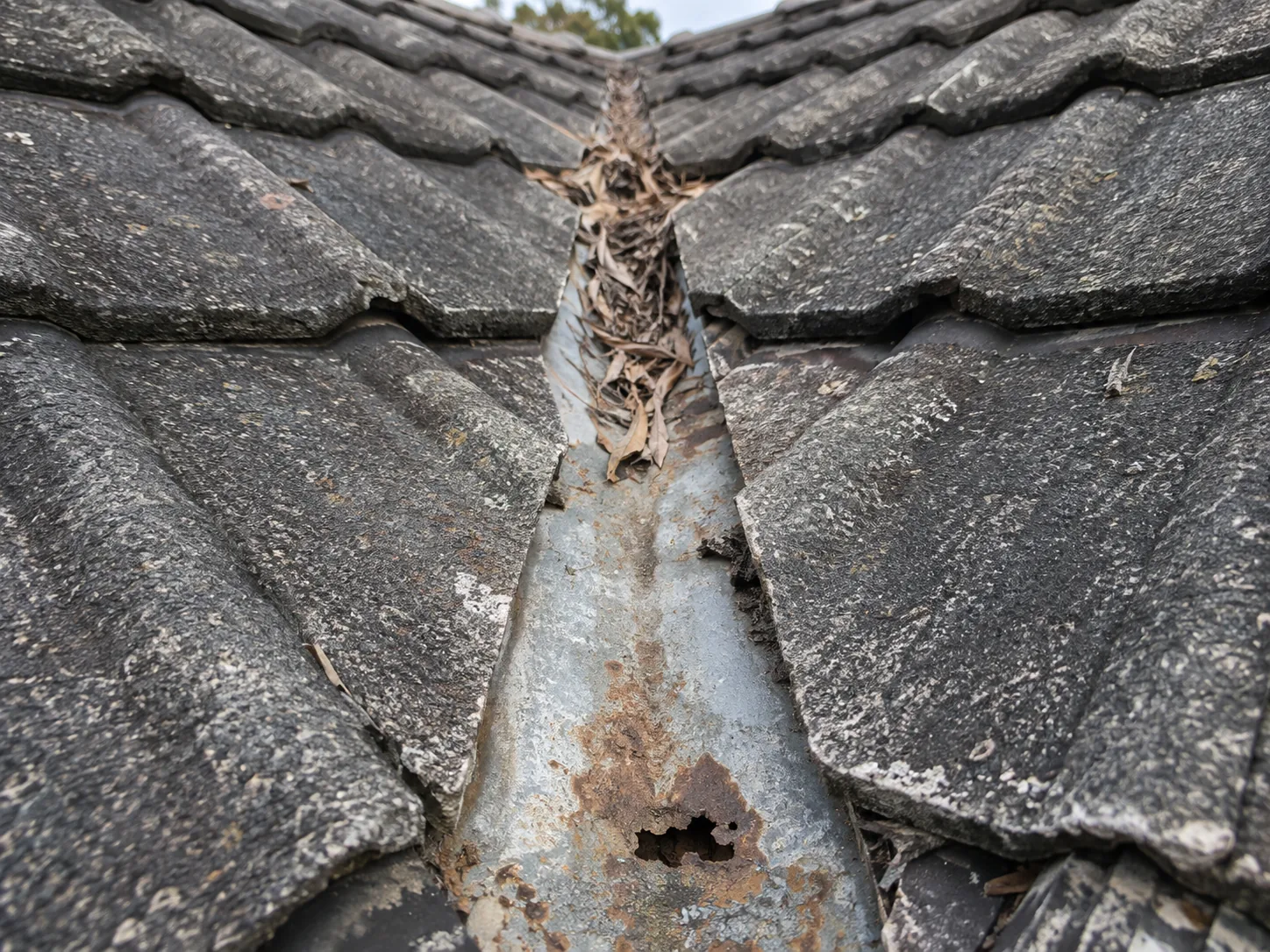
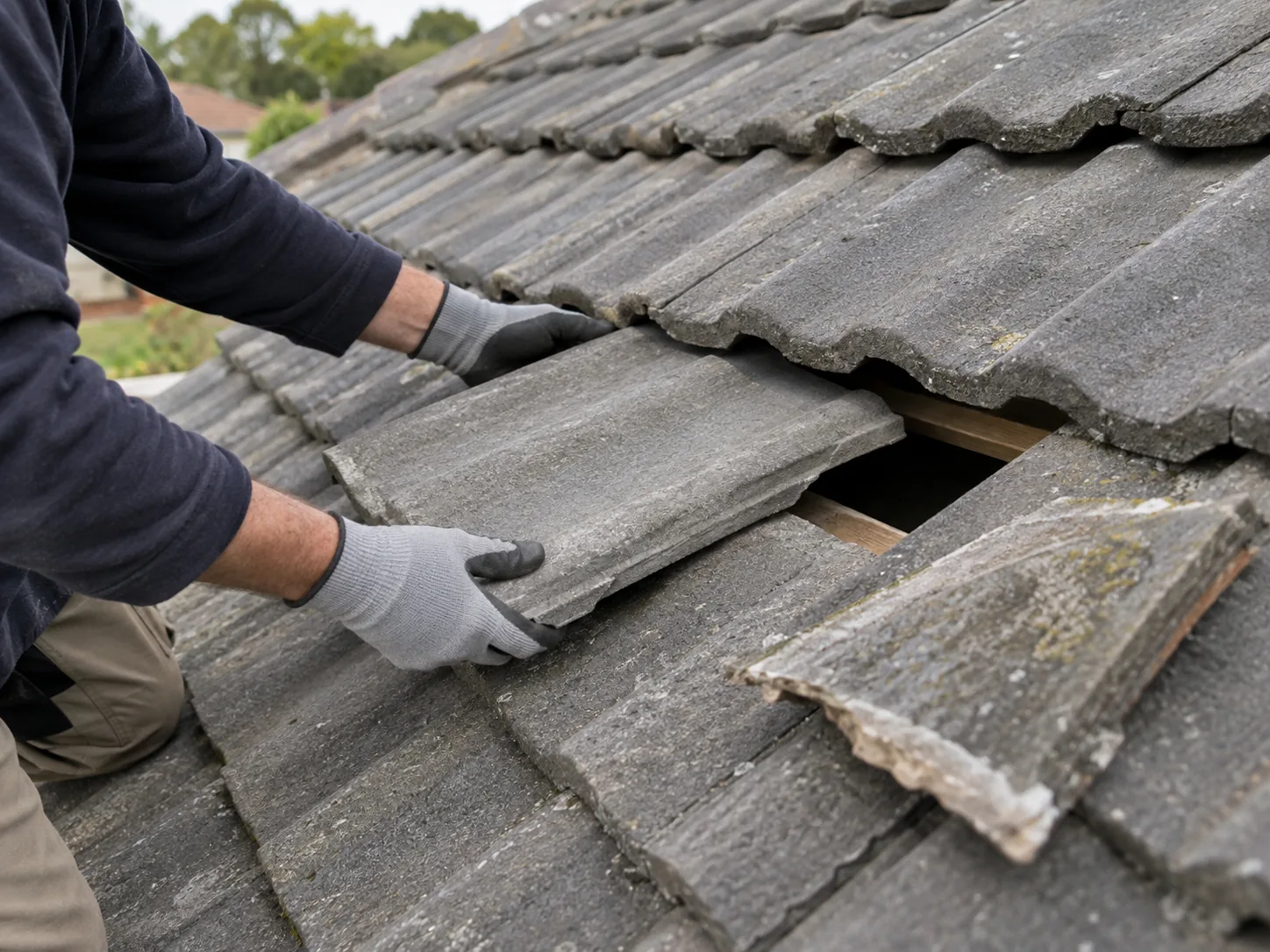
Most leaks we trace end at one of a short list of faults, and the roof type narrows it fast. On tile roofs the common entry points are a cracked or slipped tile, a valley iron rusted through under a bed of leaves, ridge capping whose mortar has crumbled and let the caps lift, and torn or perished sarking that no longer carries wind-blown water to the gutter. On metal roofs it is fixings: screws that have backed out, rubber washers perished by the sun, an open lap between sheets, or rust along the lower edge where the sheet sits in wet gutter silt.
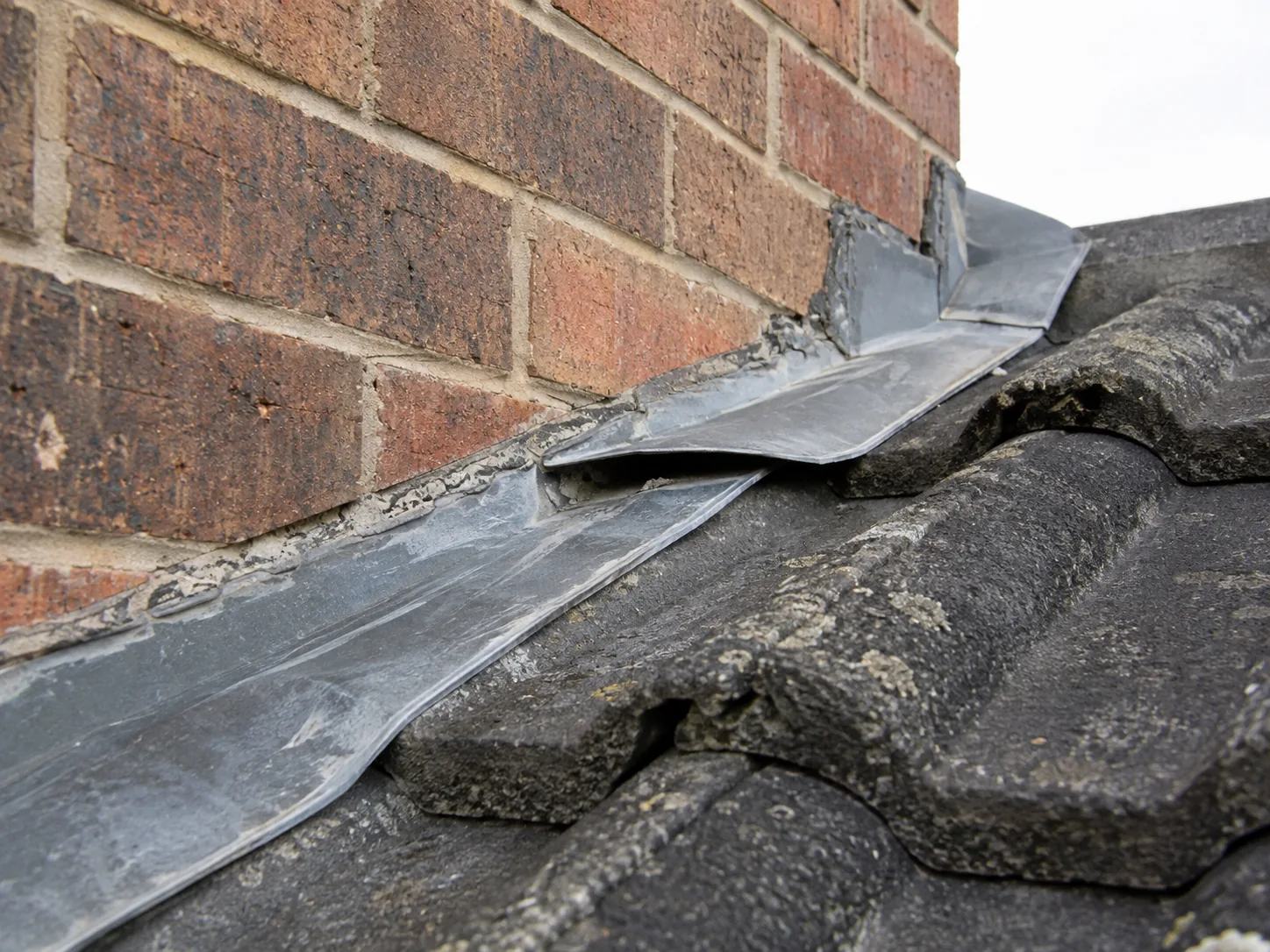
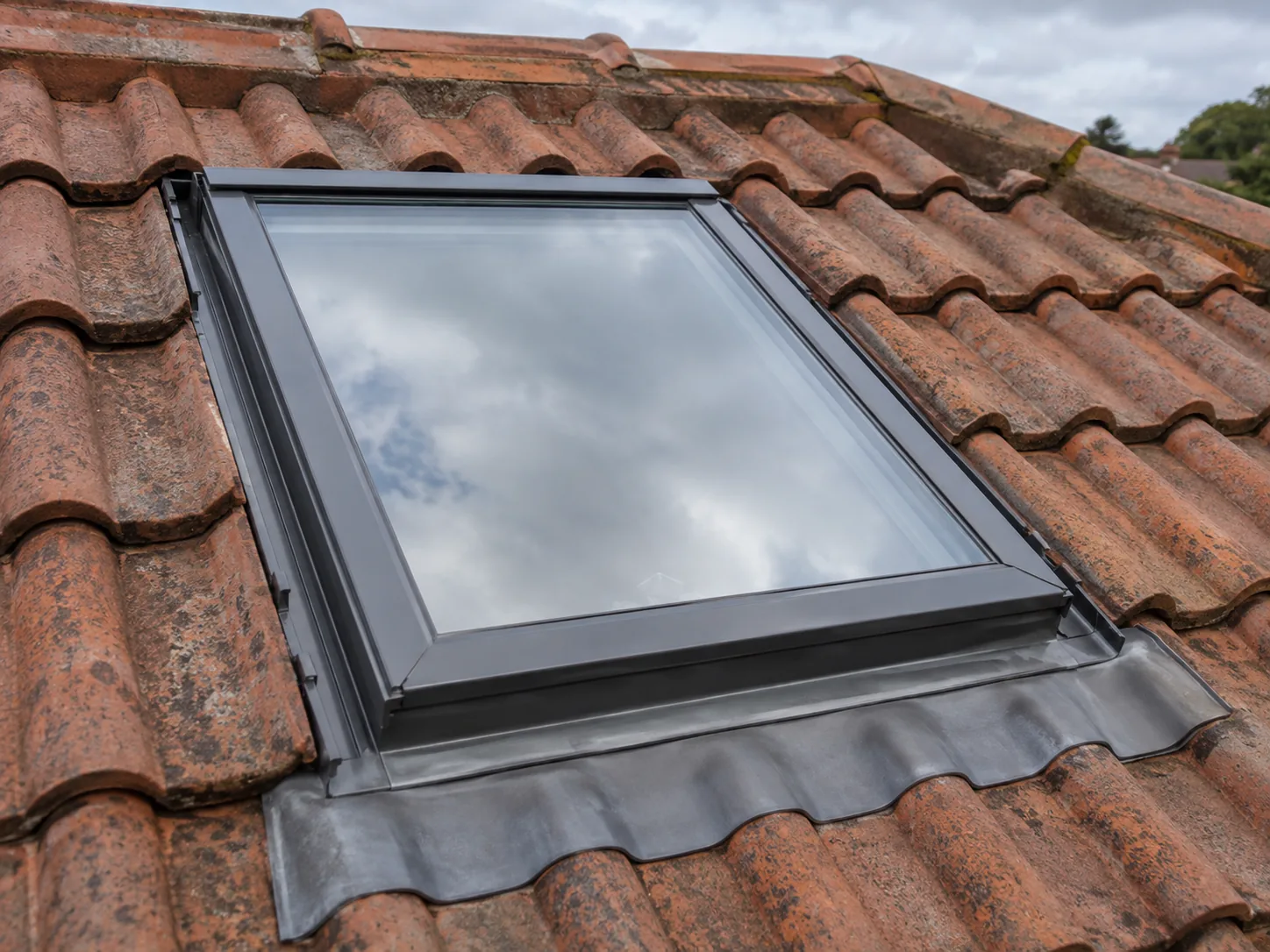
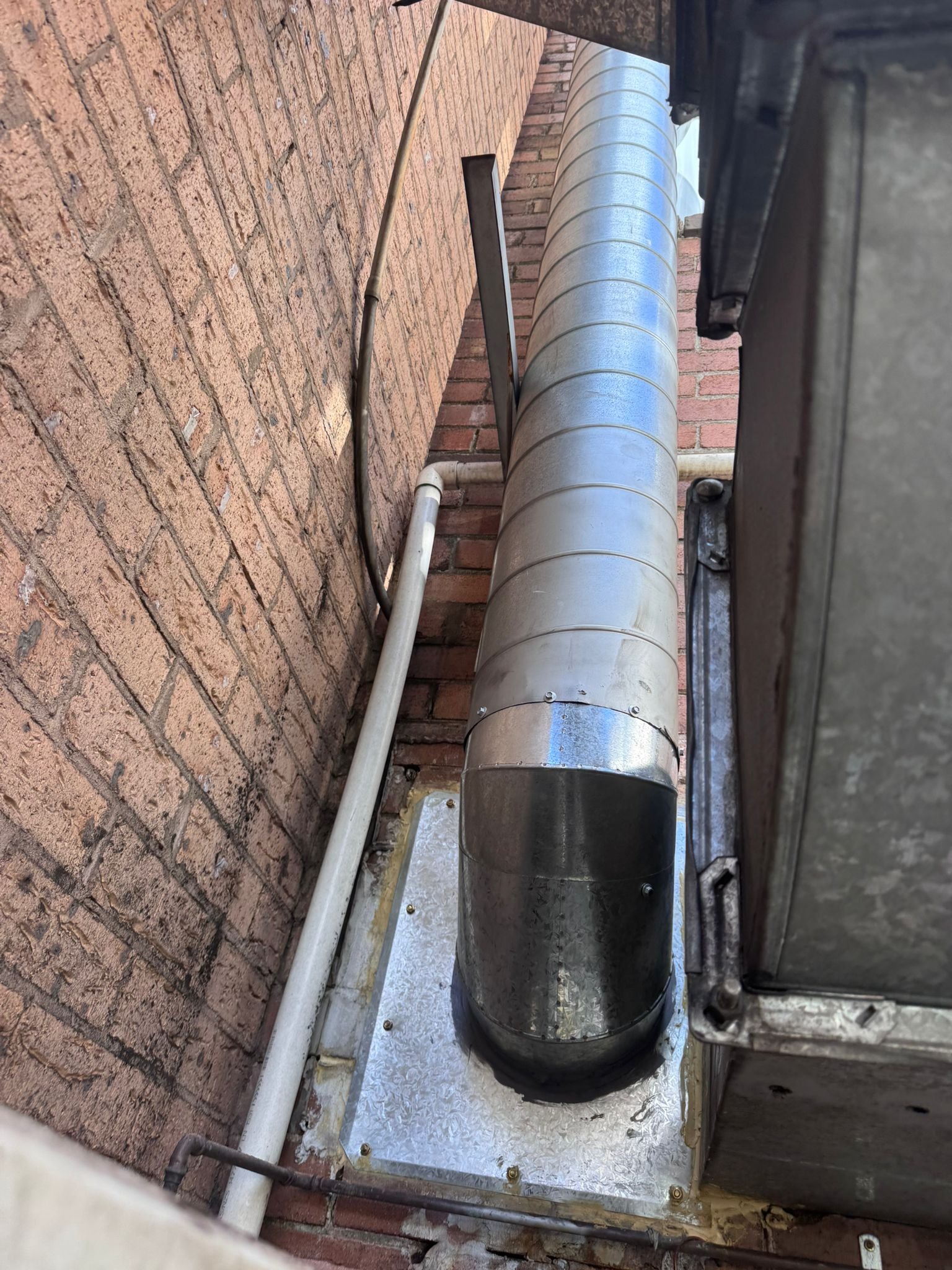
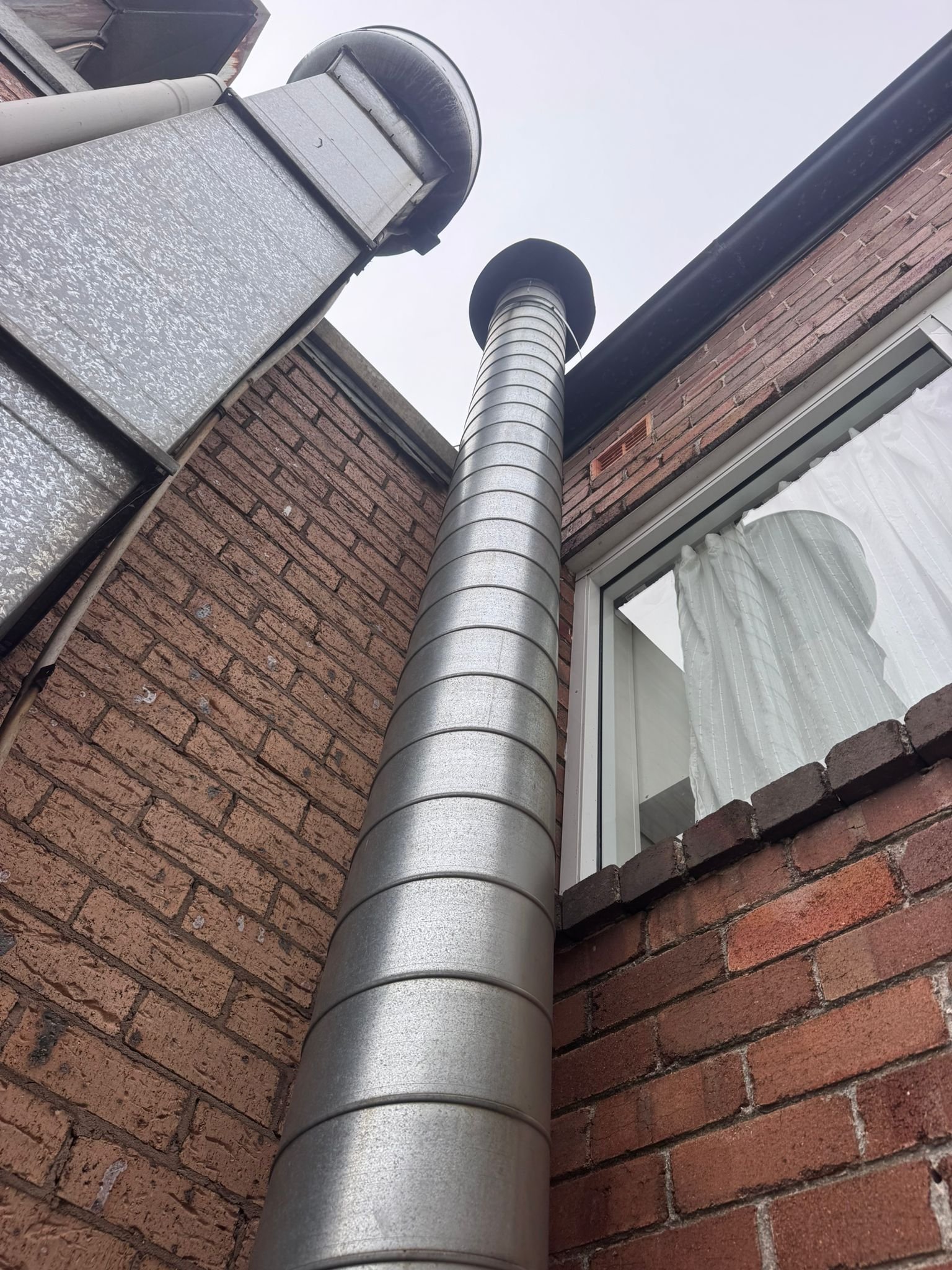
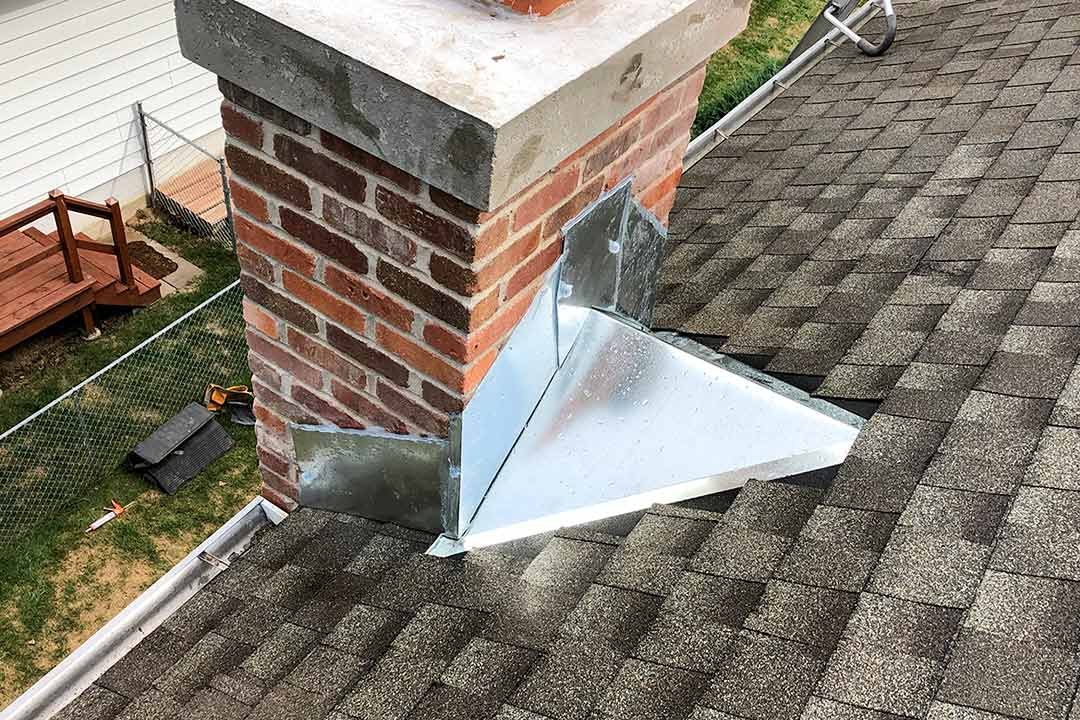
On either roof the joins fail first. Wall flashings pull away from mortar chases, penetration flashings around exhaust cowls, flues and whirlybirds lift or were never fitted with a back tray, and skylights leak at the flashing far more often than at the glass. Anything added after the roof was built is suspect: solar conduits, aerial mounts, a new ducted heating flue.
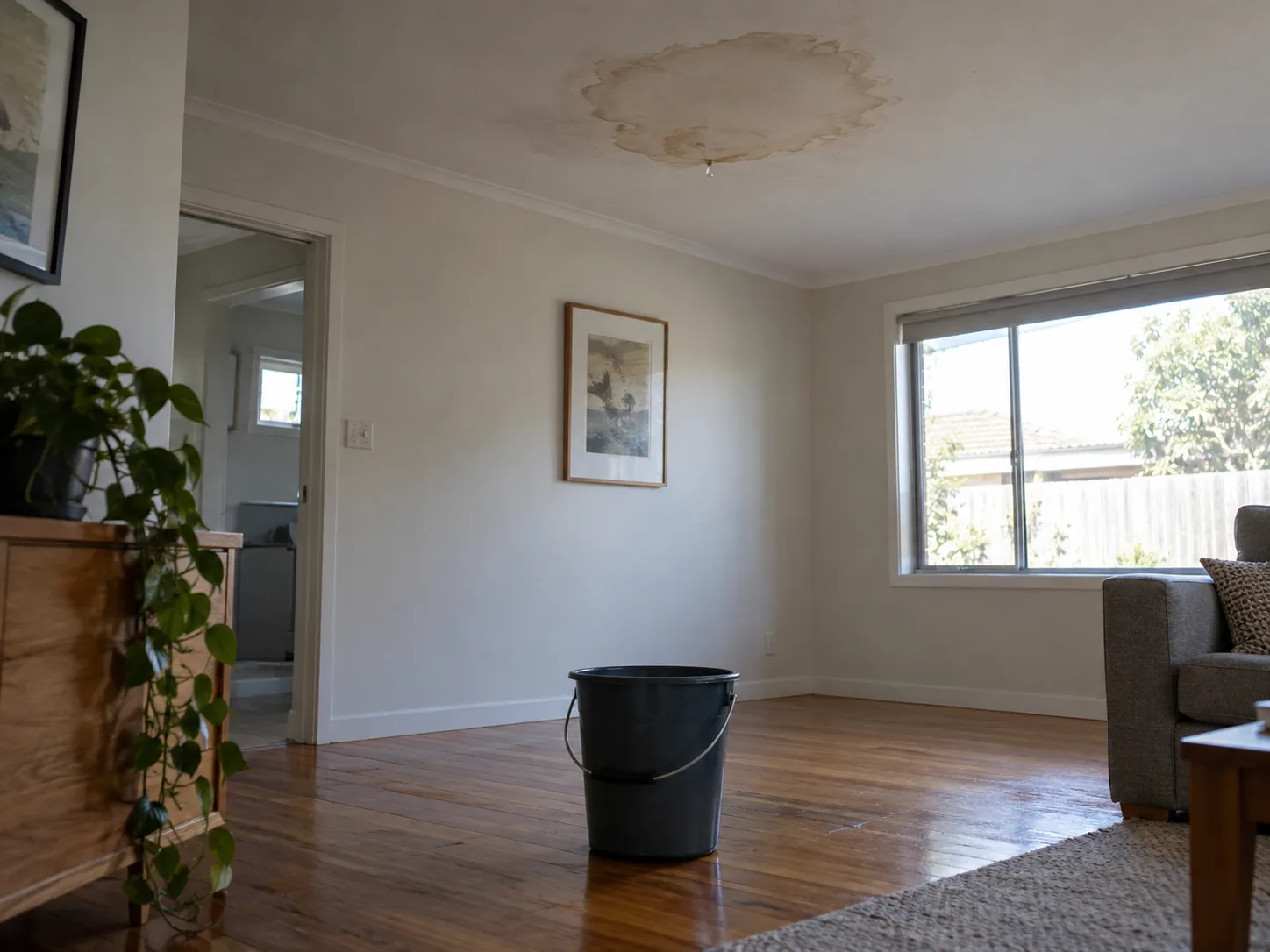
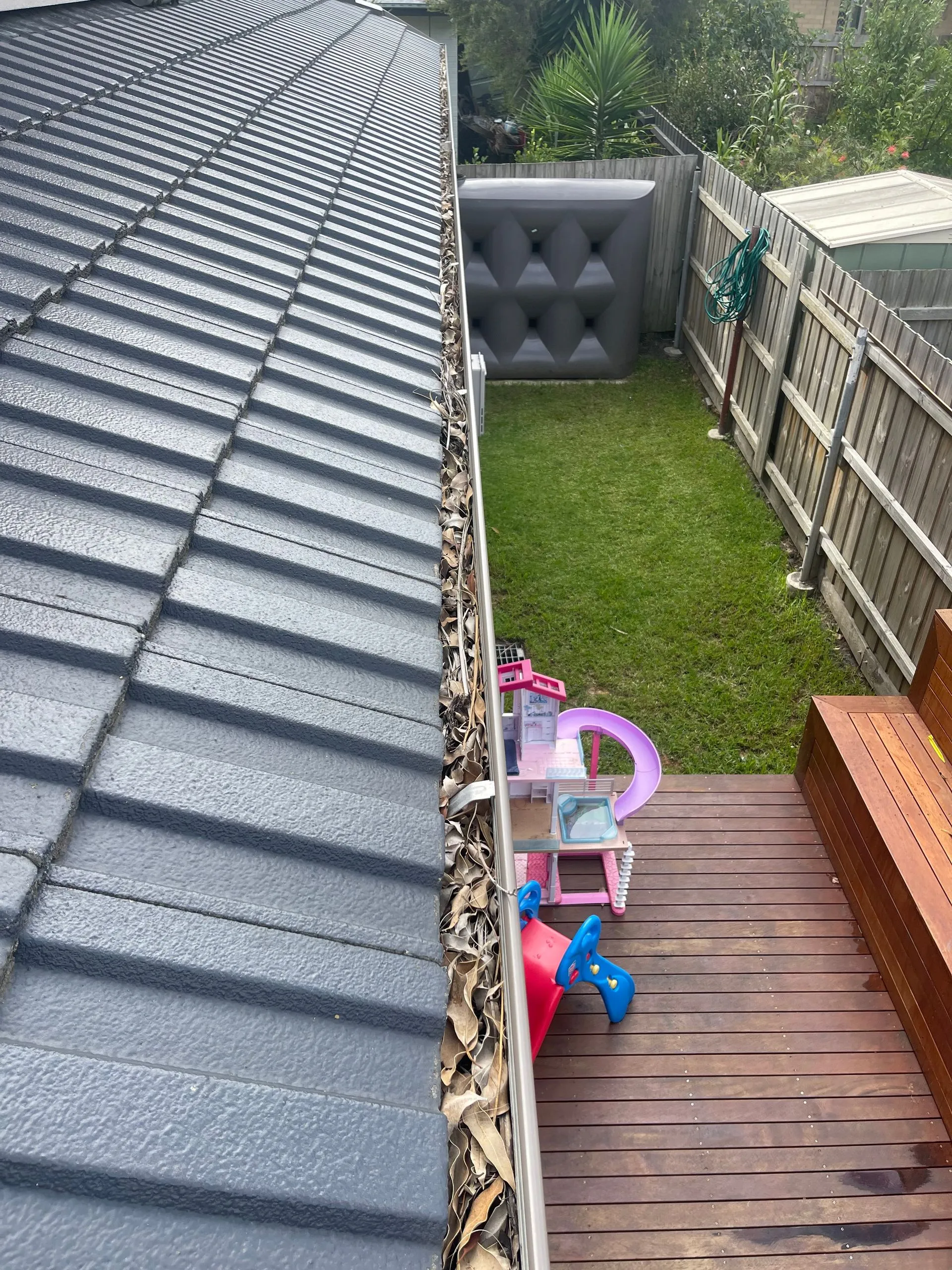
And a good share of ceiling leaks are not roof leaks at all. A blocked gutter or box gutter fills, backs up under the bottom row of tiles or the sheet edge, and comes in over the wall plate. The ceiling is wet, the roof is fine, and the fix is a gutter repair or a clean. We check the gutters on every leak call for that reason.
 FreshDuct