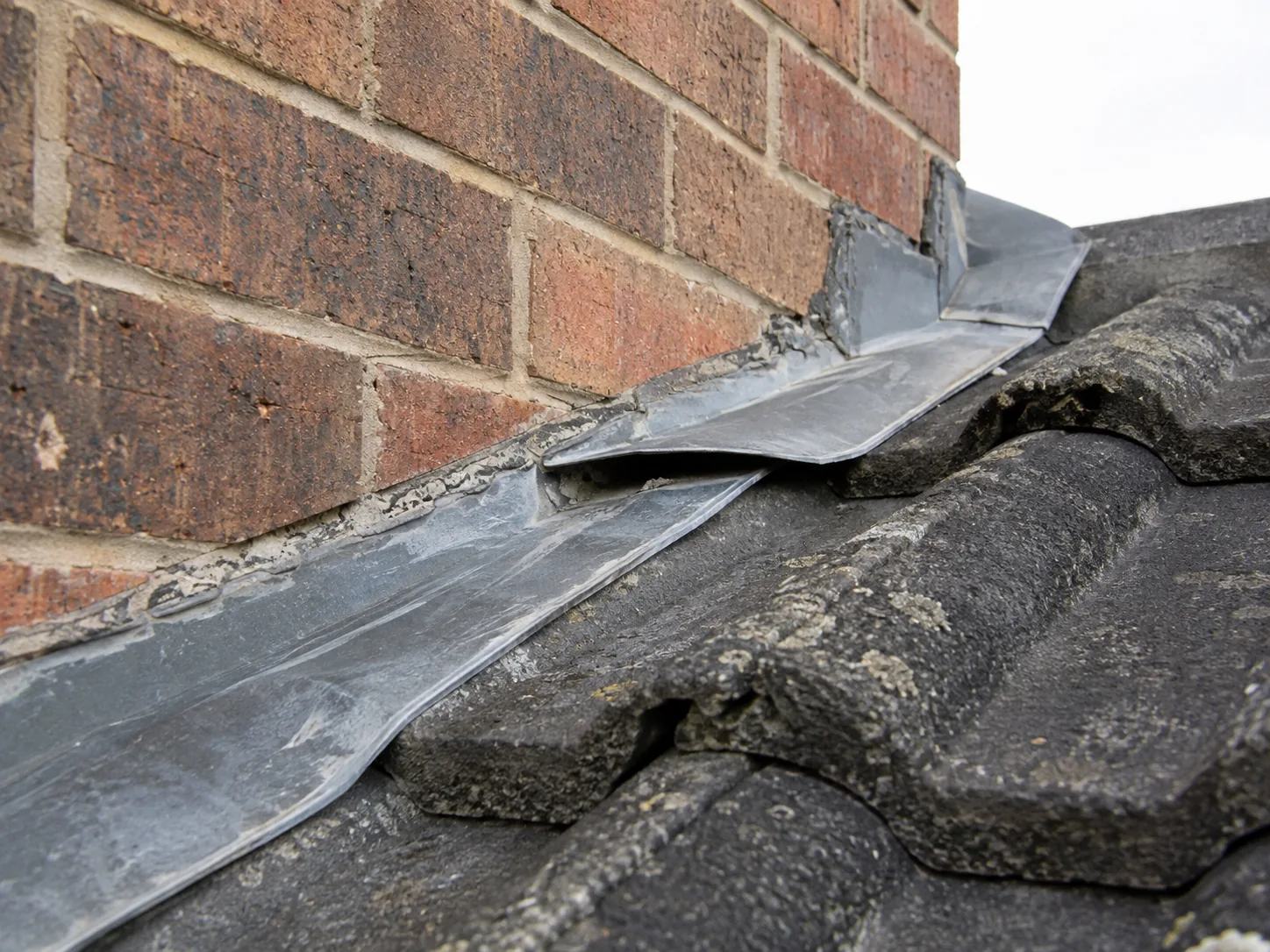
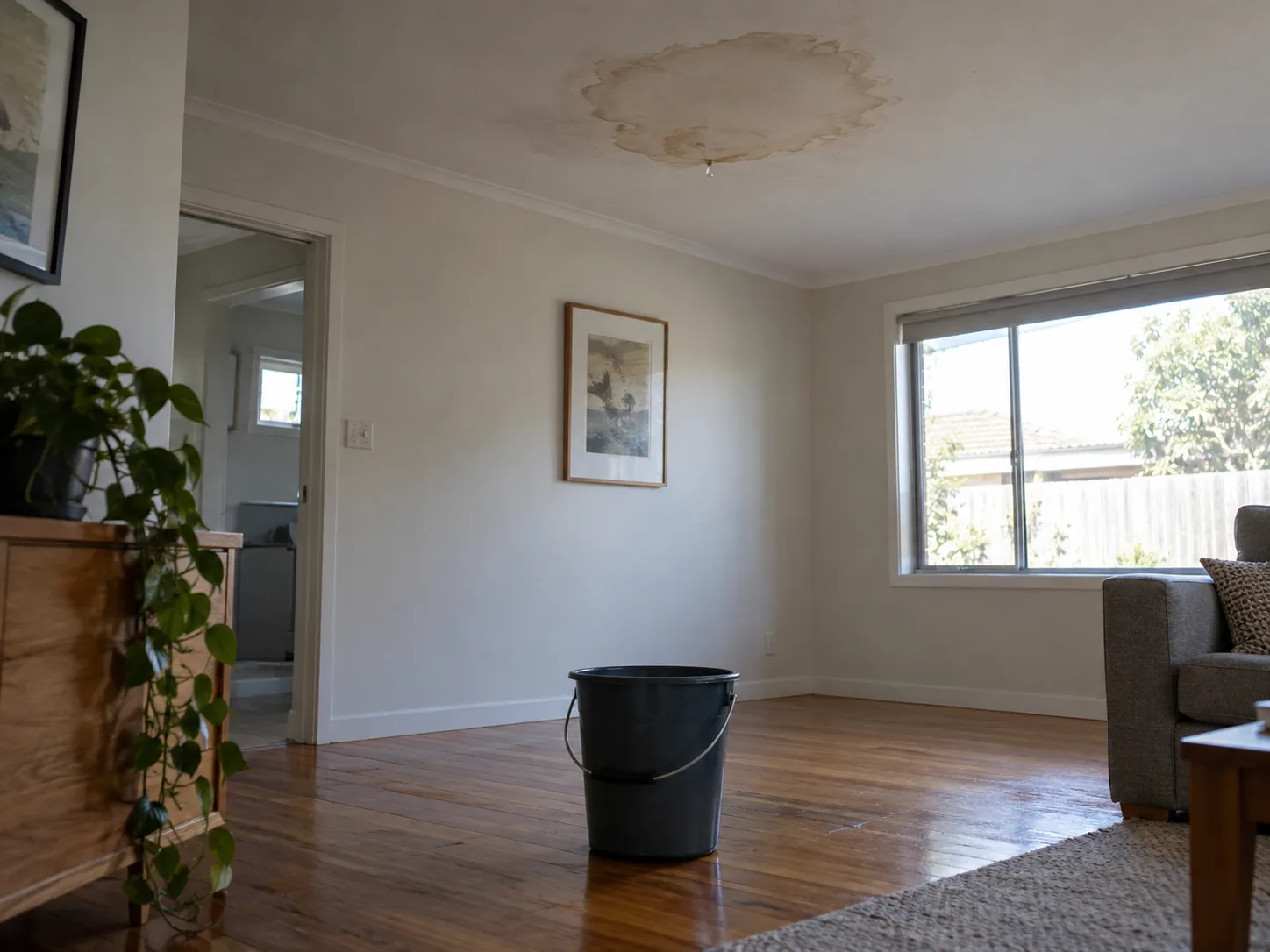
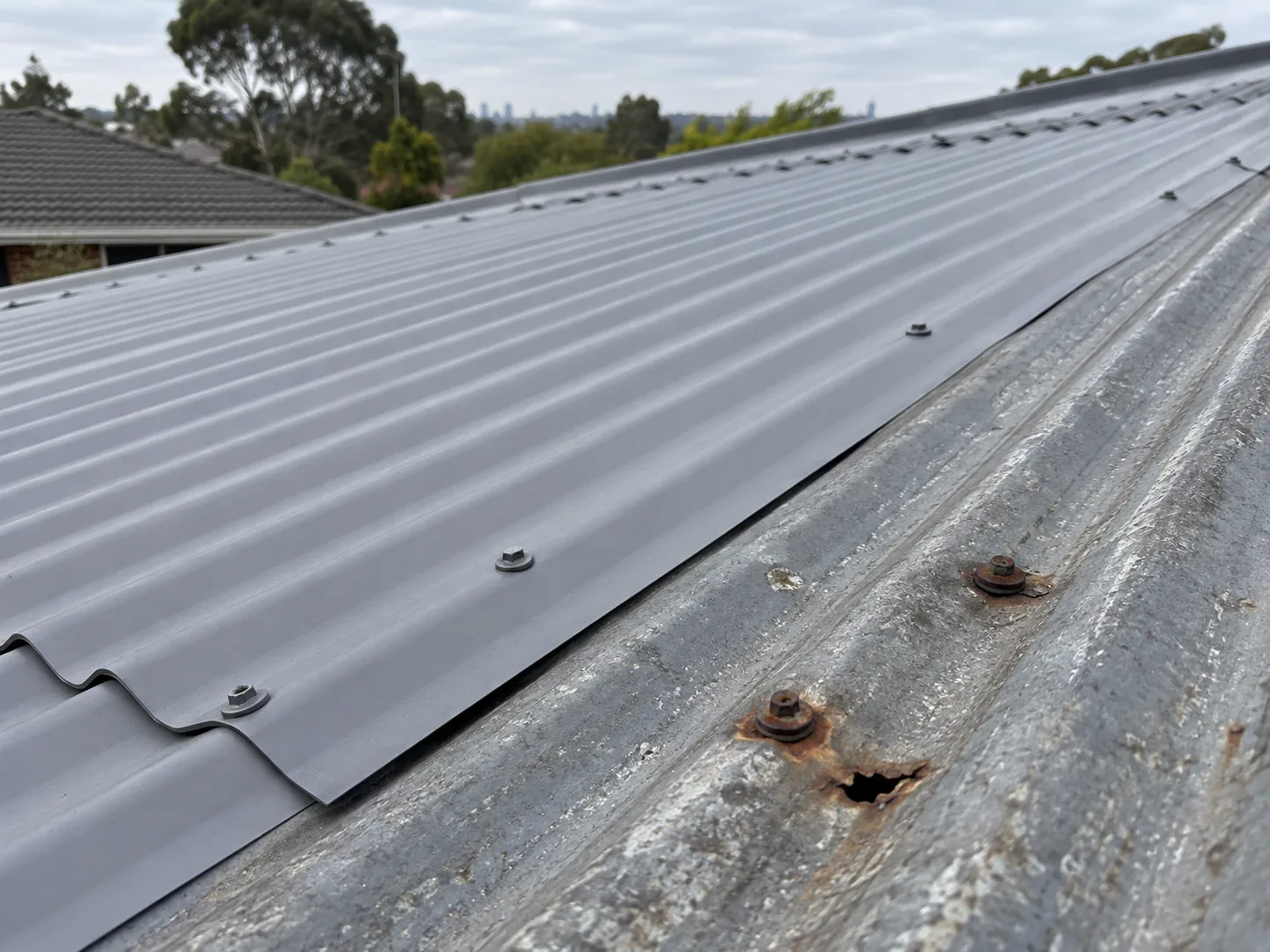
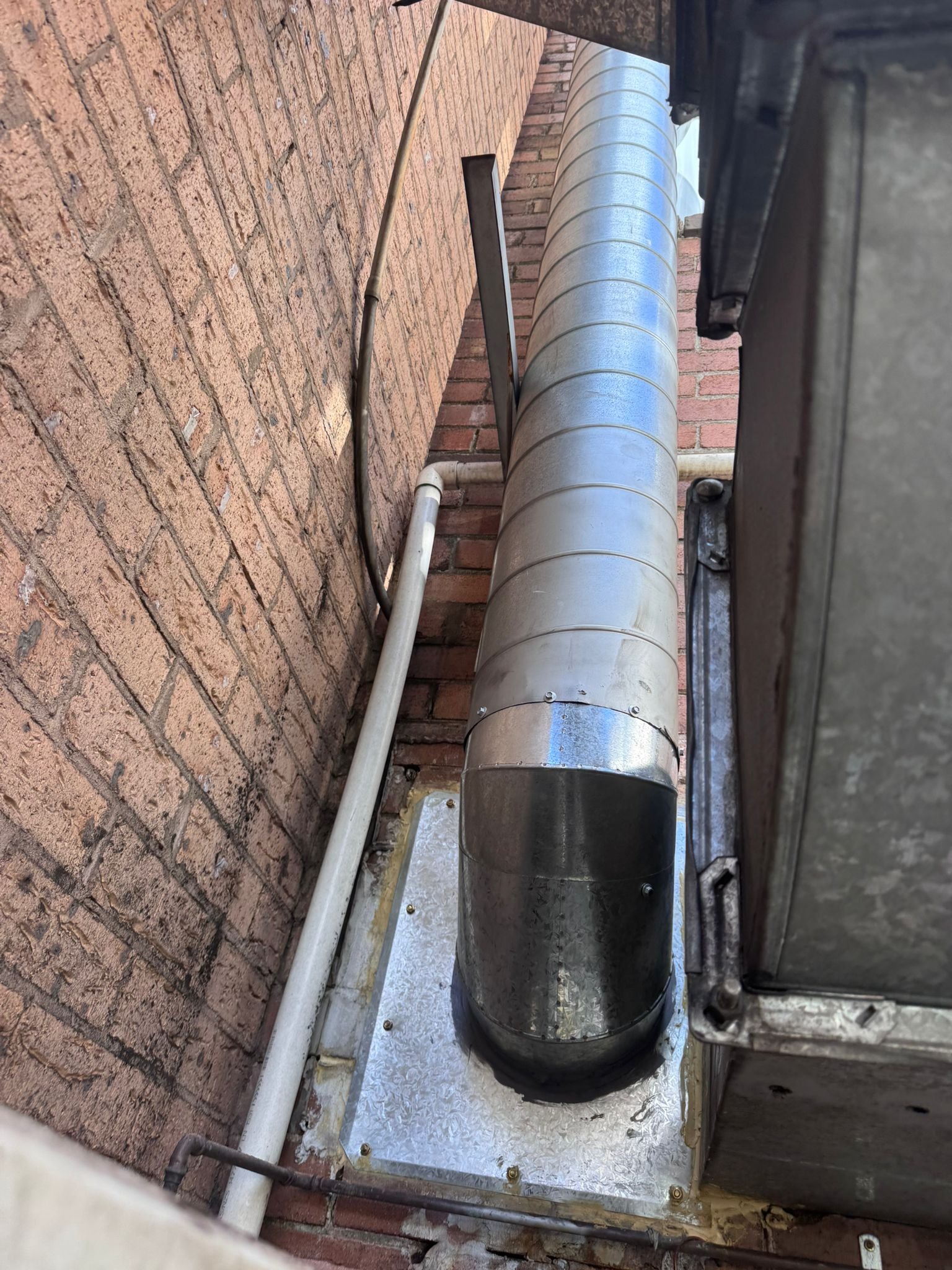
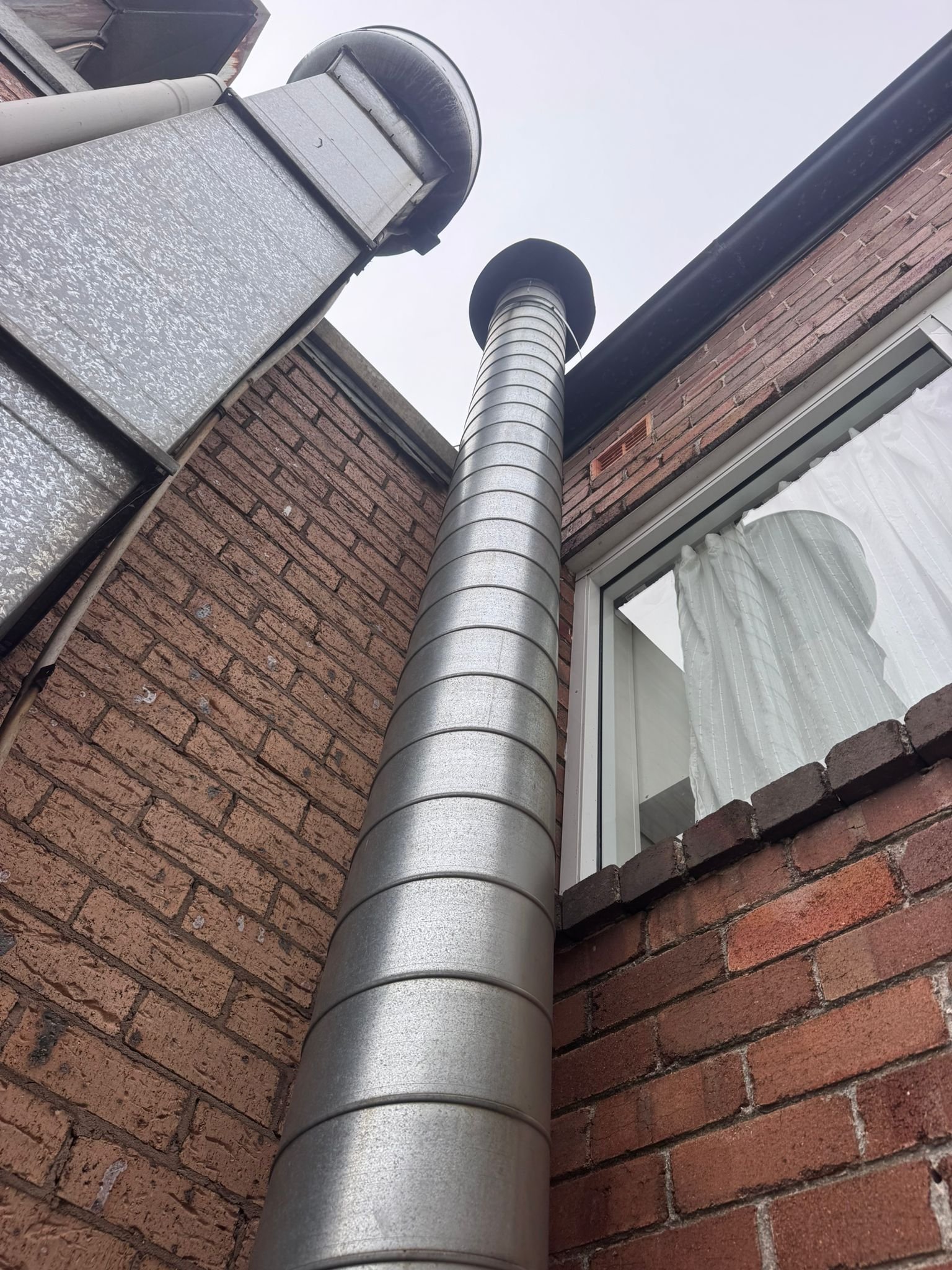
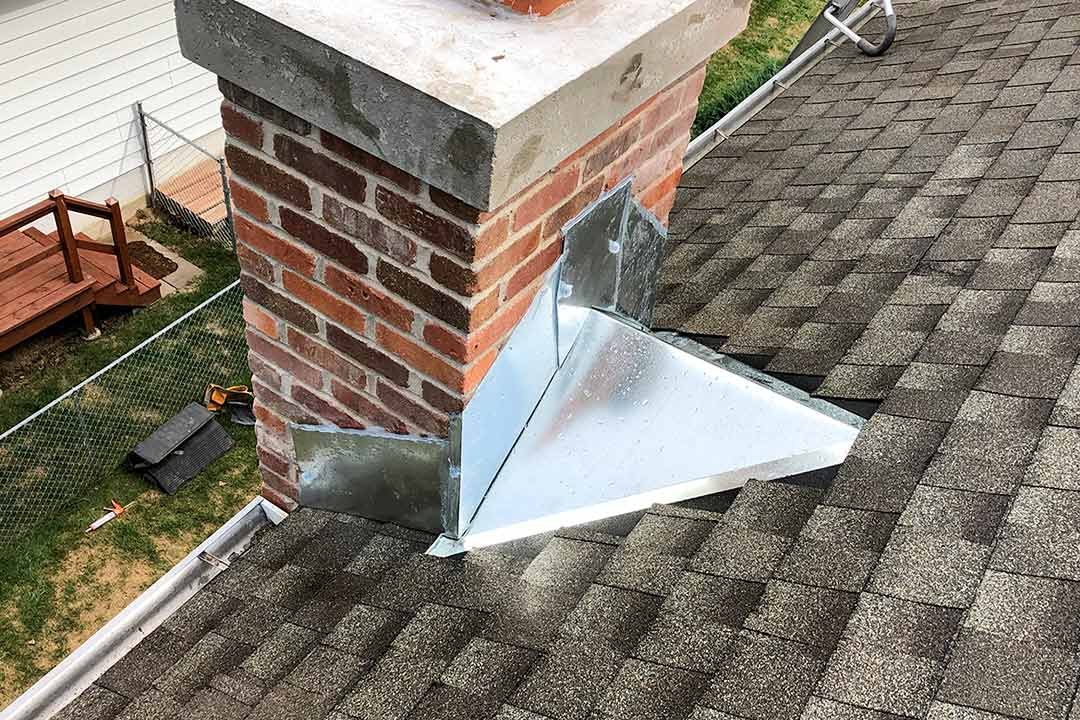
Apron flashings. The usual failures are a lifted top edge where the flashing was set into a mortar chase, a split in old lead, or a flashing that was never turned up high enough under the cladding. The repair is to cut a clean chase, fit a new upstand with a proper overlap onto the roof, and seal the chase with a flexible sealant rather than mortar that will crack again.
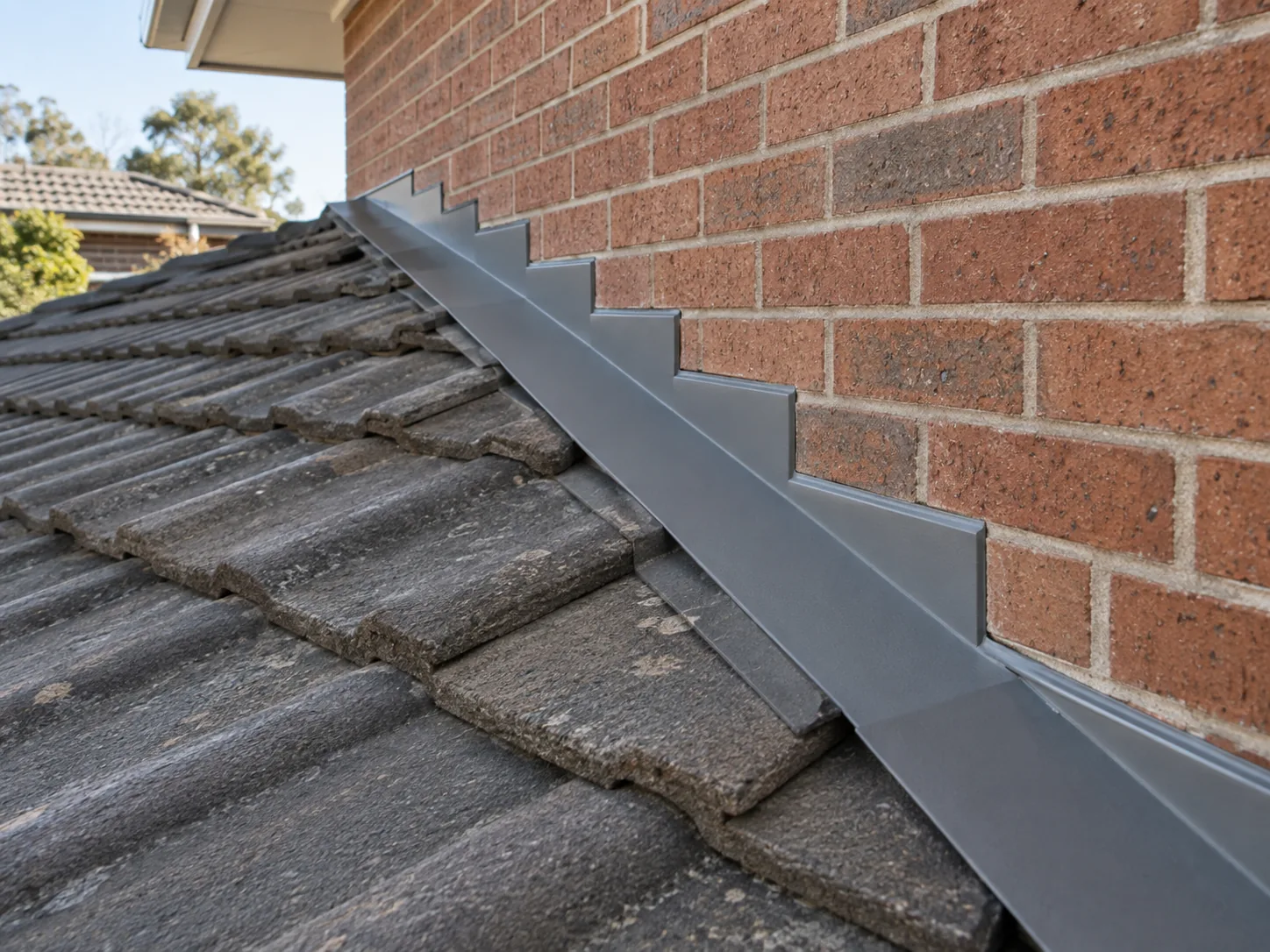
Step flashings. These fail one piece at a time. A single short piece that has slipped or rusted is replaced and re-lapped over its neighbours. When most of the run is gone, the whole side is re-flashed so the laps all face the right way.
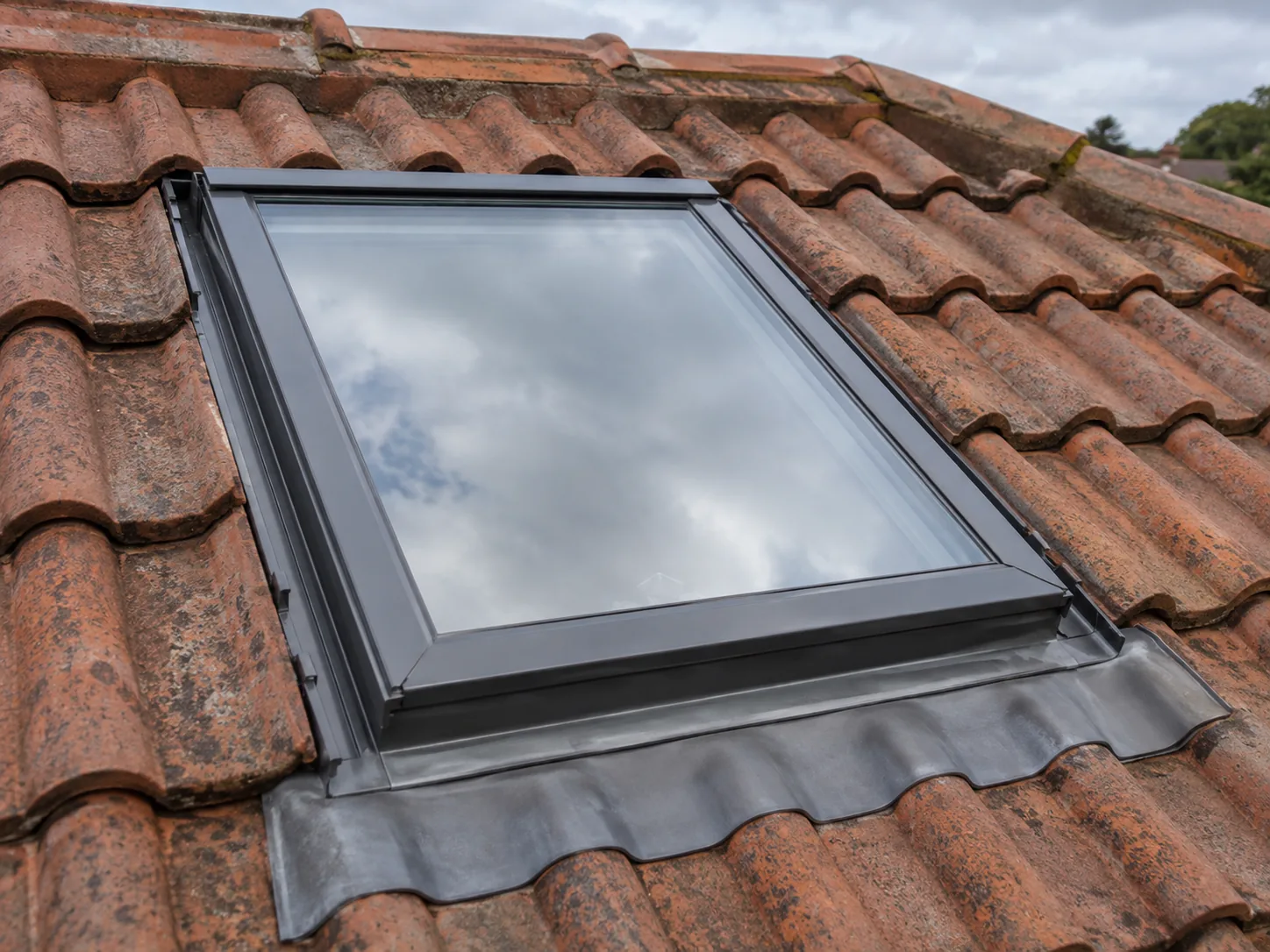
Penetration flashings. Vents, whirlybirds, plumbing stacks, flues, exhaust cowls and solar conduits each need a flashing shaped to them. A rubber boot flashing suits a round pipe on a metal roof; a soaker flashing dressed into the tiles suits a tile roof; a whirlybird needs a base flashing that sheds water all the way round. The wrong flashing, or a good flashing installed without a back tray, is a common source of new leaks on otherwise sound roofs. If you want a whirlybird fitted properly in the first place, our whirlybird installation page covers it.
Valley flashings. Rusted or dammed valleys are covered on our valley iron replacement page.
Chimney flashing is a different job with its own page: chimney flashing repair.
 FreshDuct