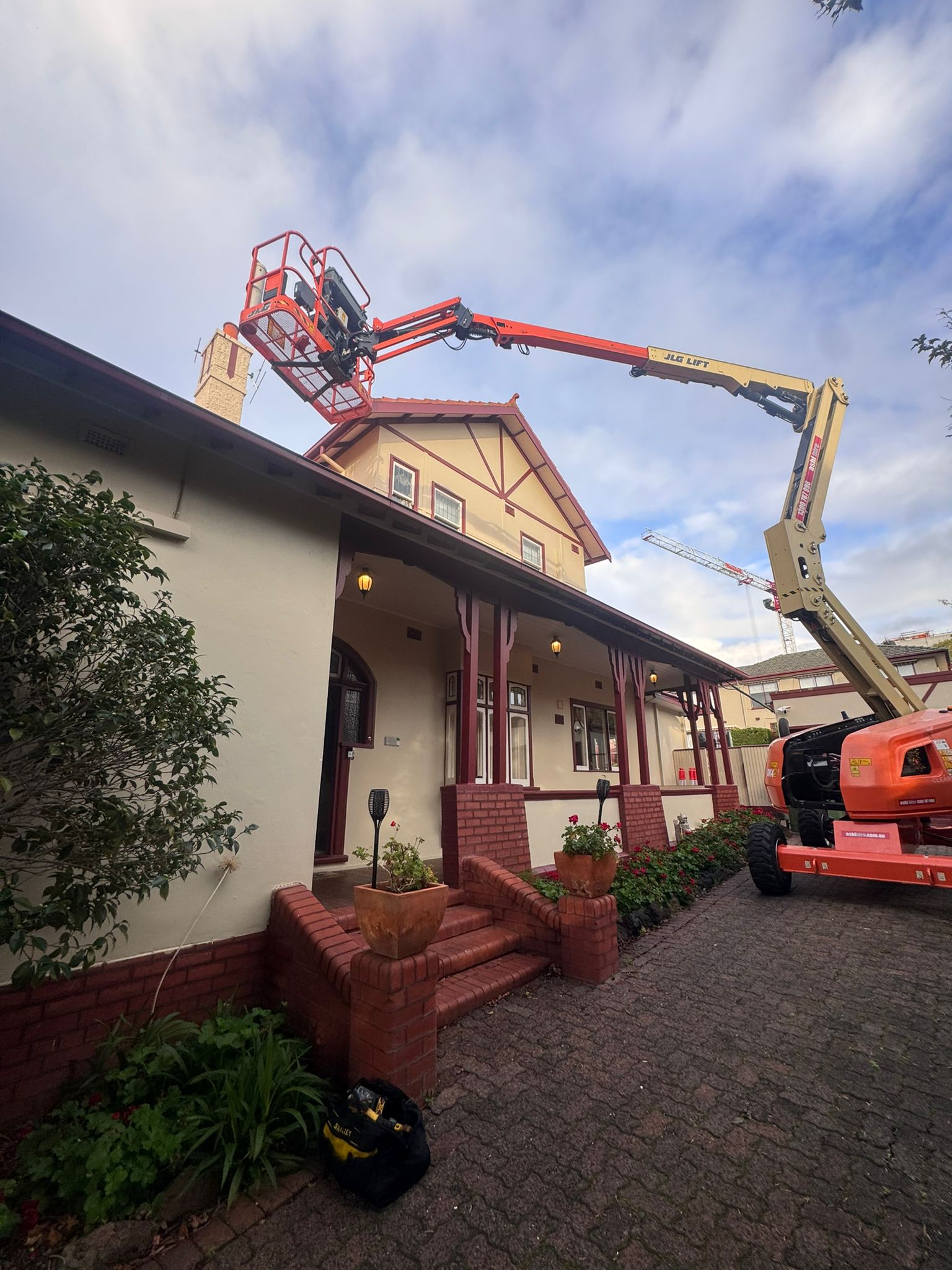
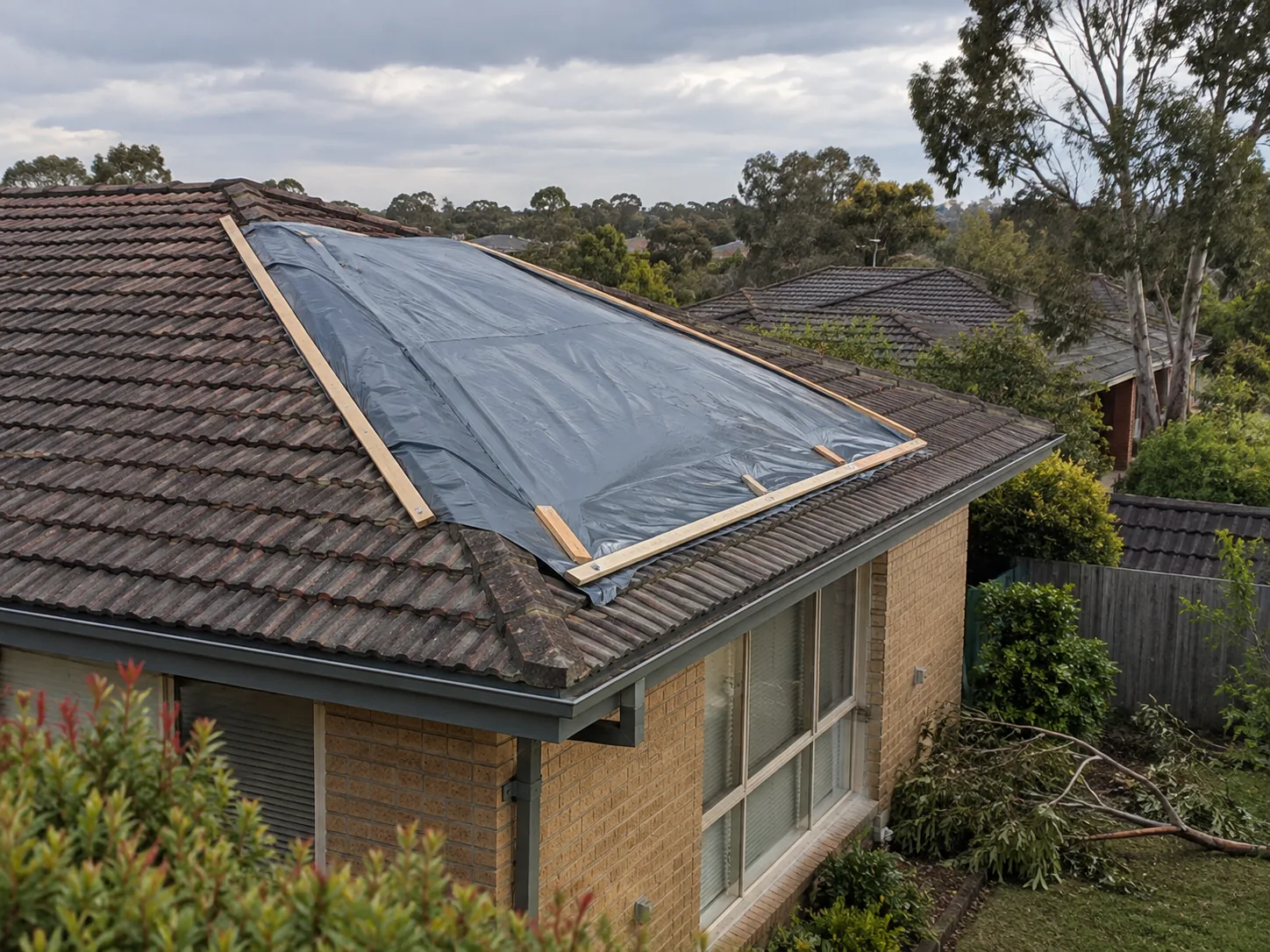
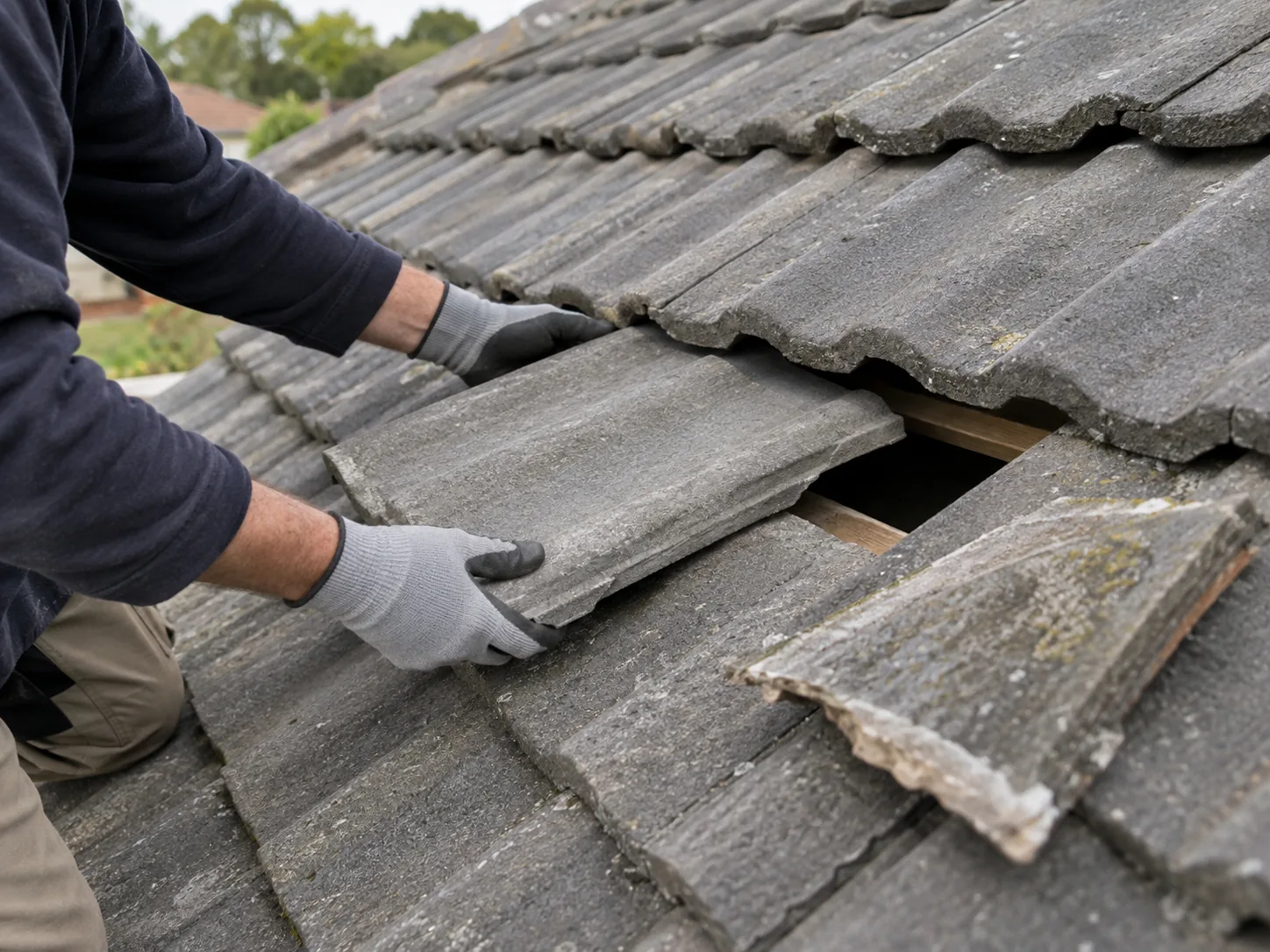
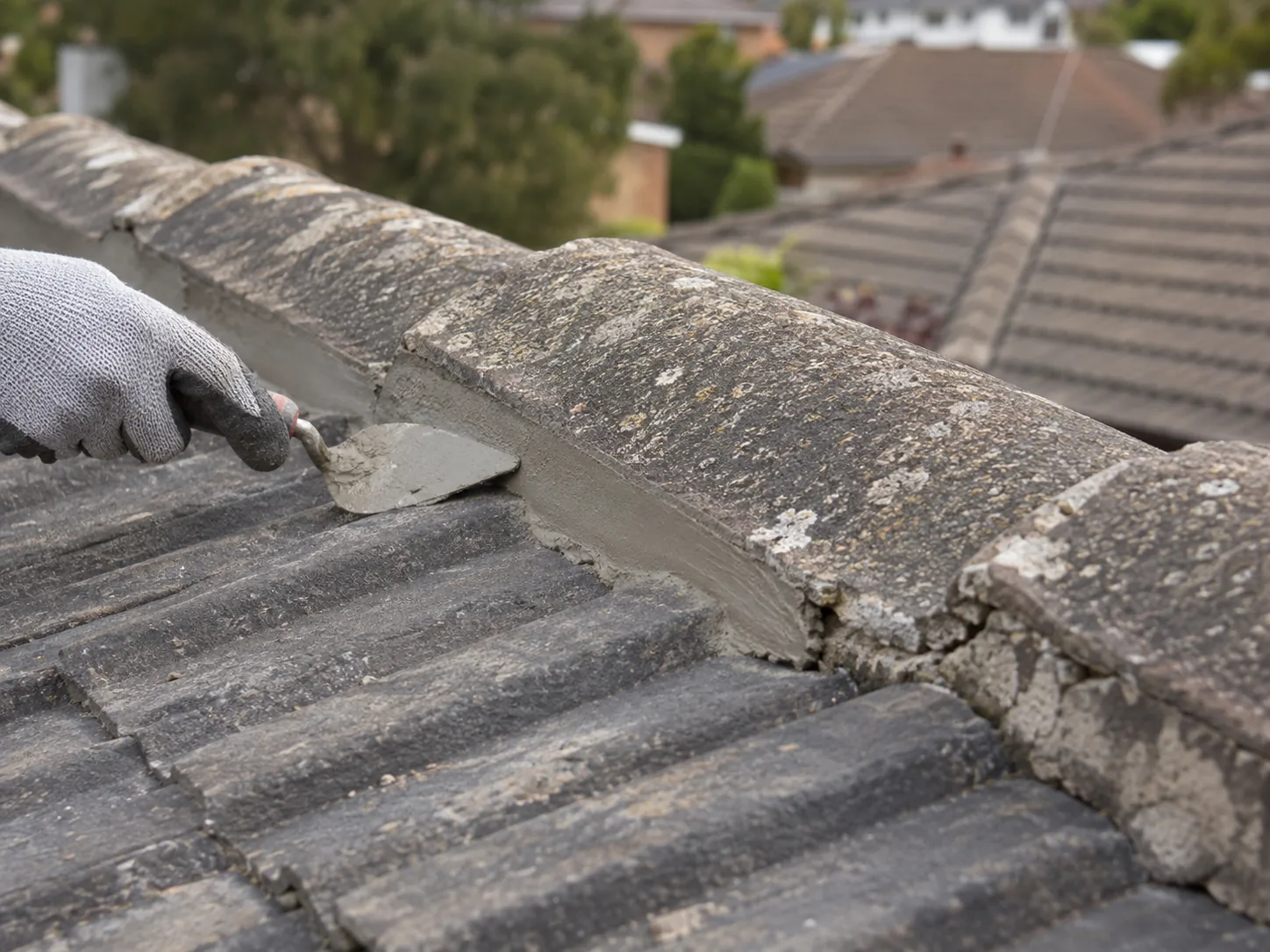
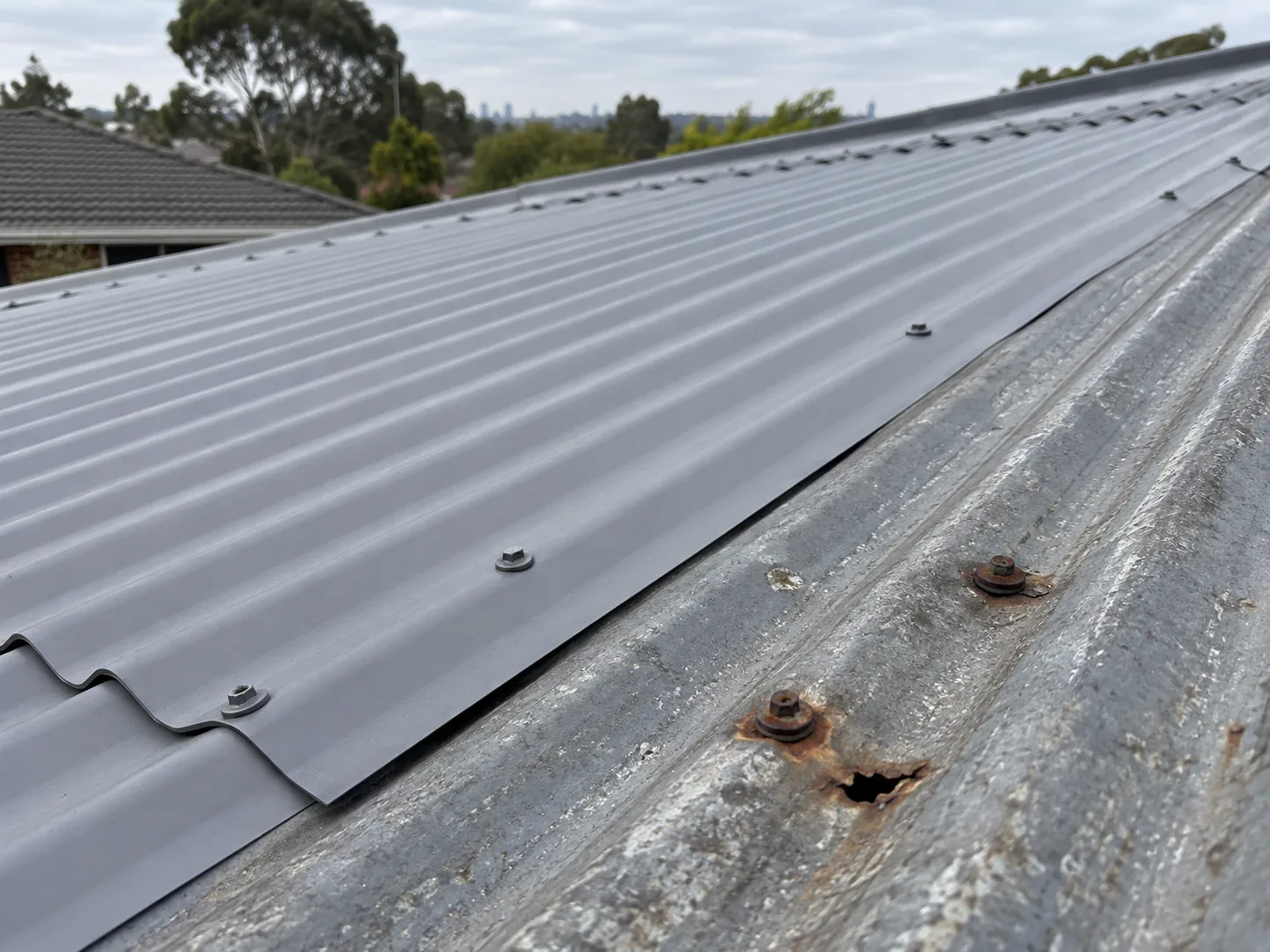
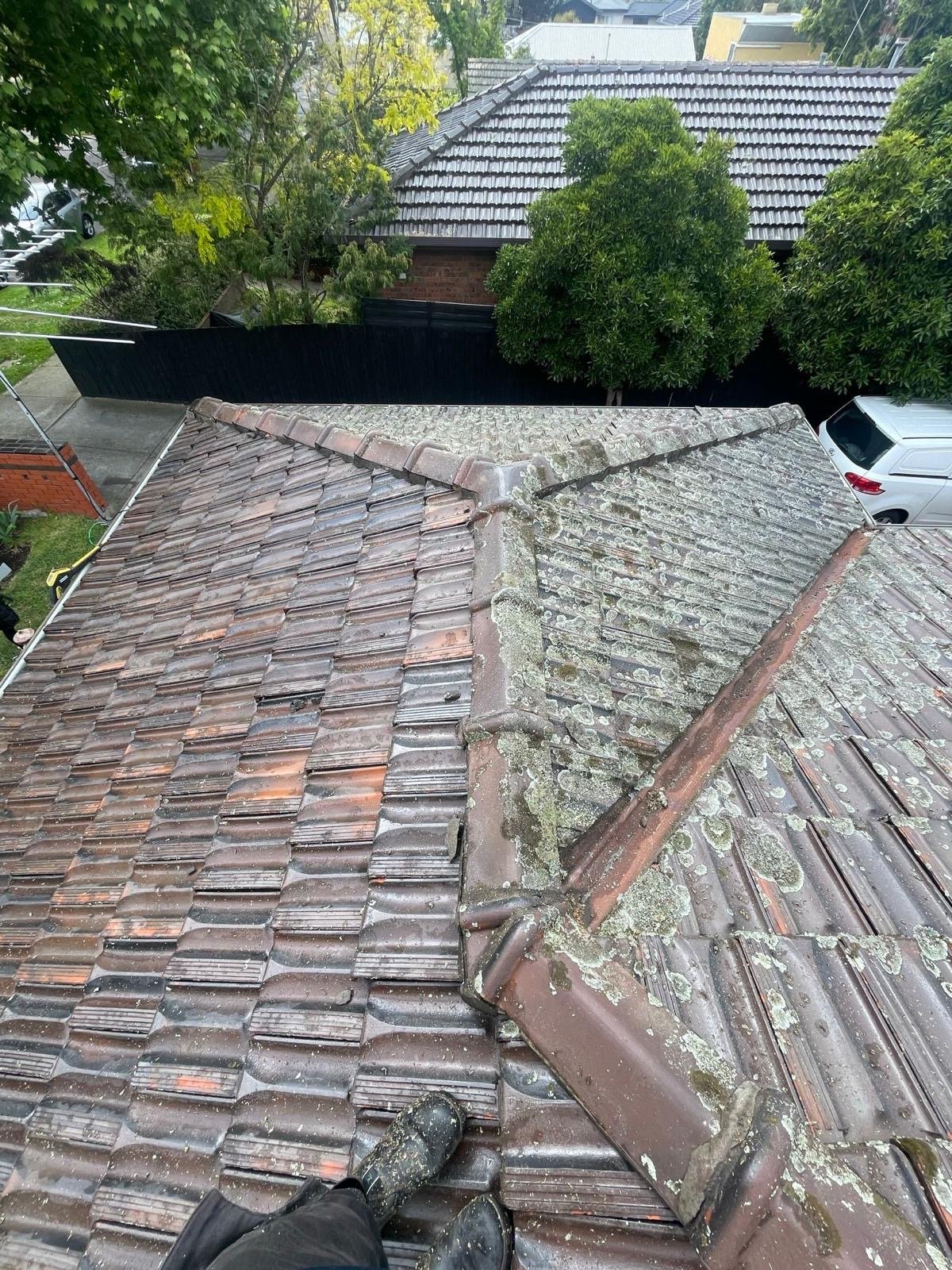
A make-safe is not the repair. It stops a damaged roof getting worse before the repair can happen, and after a big storm it is often the most valuable work a crew does. On a tile roof that means lifting out cracked and displaced tiles that could slide, spreading a heavy-duty tarp from the ridge down past the damaged area, and battening it down with timber screwed through to the roof structure so the next gust does not turn the tarp into a sail. On a metal roof it means screwing down any sheet that has lifted, cutting away a sheet that is torn beyond holding, and tarping the opening the same way.
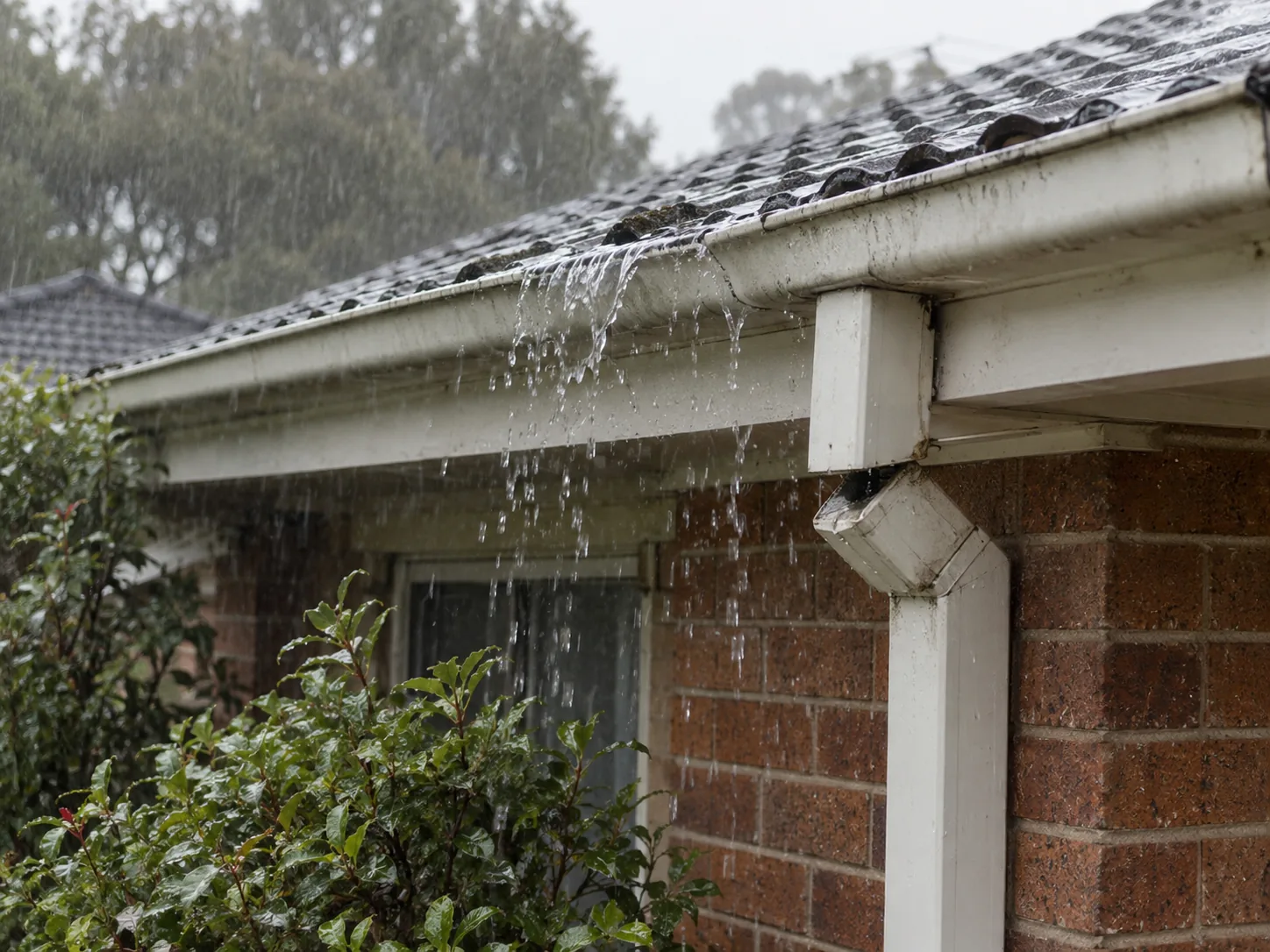
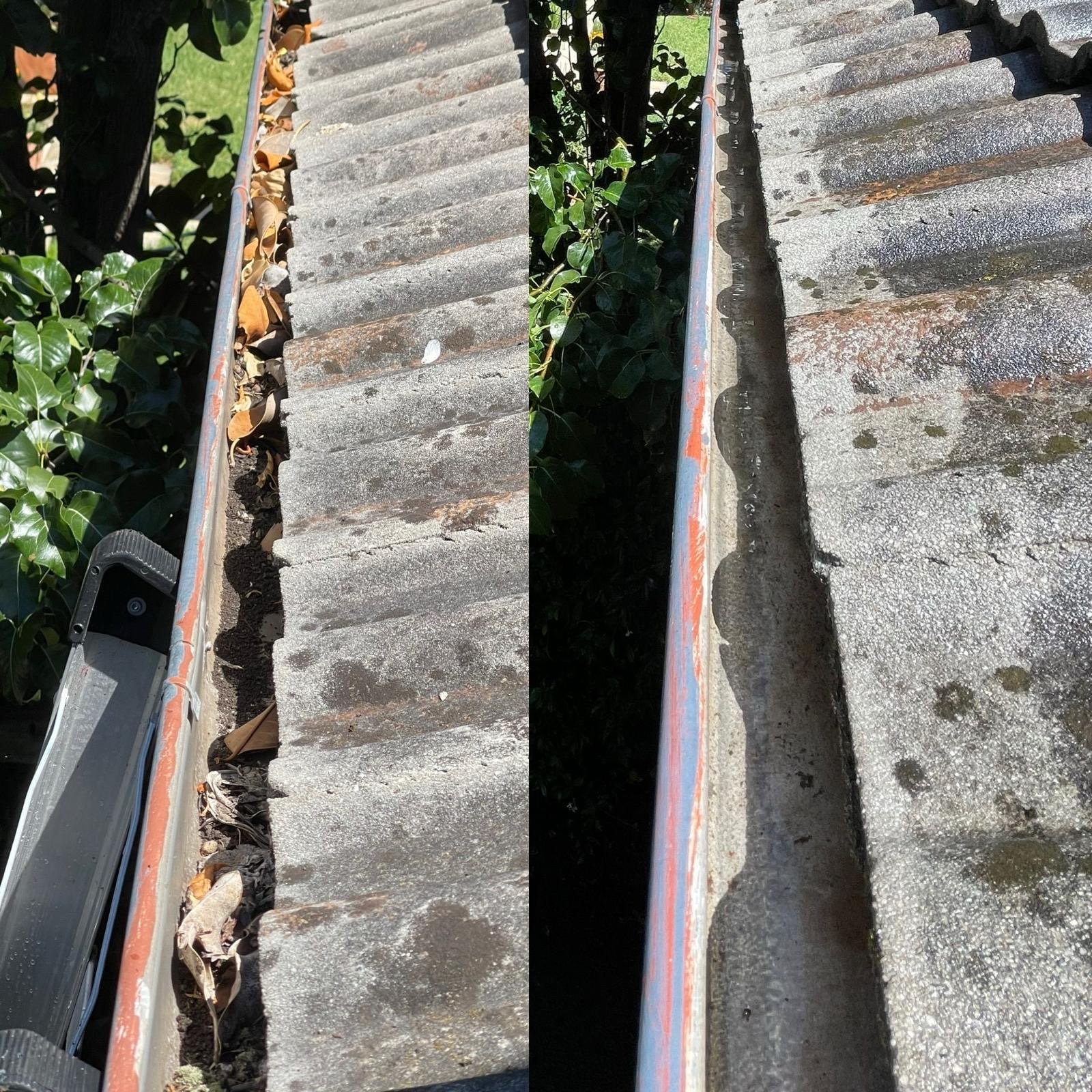
Where a branch has come through, the make-safe includes clearing the timber resting on the roof where the crew can do that safely, because you cannot see what is crushed until it is off. A large tree down on the house is an arborist’s job first, and we say so rather than start. Where a gutter has come away from the fascia, it is refixed or removed so it does not pull the fascia with it. If the ceiling below is holding water, the crew pierces it over a bucket so it drains rather than collapsing.
Every step of the make-safe is photographed before and after, because your insurer will want to see what the storm did before anyone touched it. That is why we ask you not to clear tiles, remove branches or pull down a sagging ceiling before the crew arrives unless there is a safety reason to. Leave it, photograph it from the ground if you can, and describe it to the office.
 FreshDuct