 FreshDuct
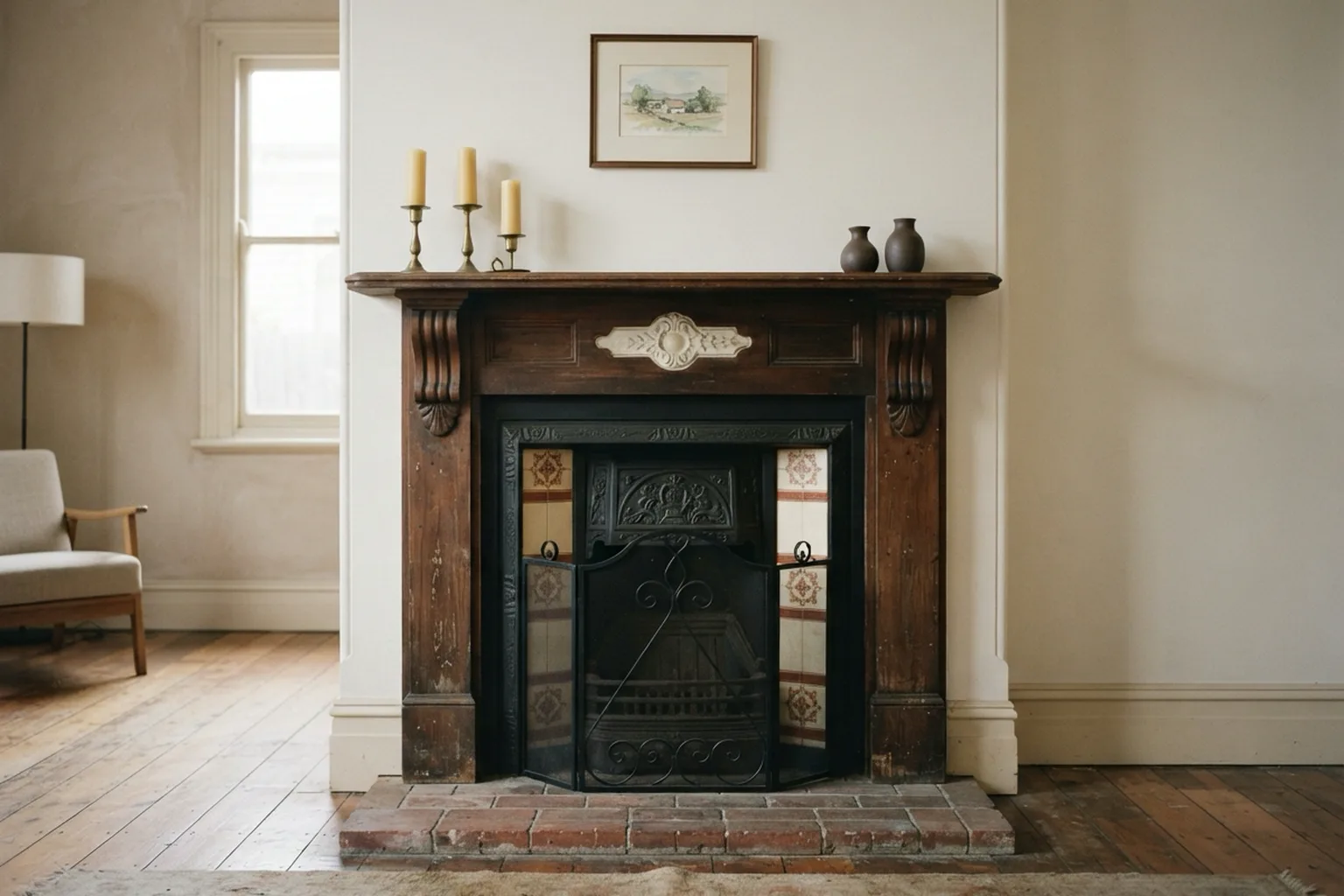
Plenty of Melbourne homes have a fireplace that has not been lit in years. Maybe a split system or ducted heating took over, the previous owners stopped using it, or you simply do not want the work of wood fires any more. The fireplace stays, but the question becomes what to do with the chimney above it.
Quick answer: An unused chimney can be capped or fitted with a cowl at the top, closed off against draughts at the bottom, kept as a decorative fireplace, or kept ready to use again. Whichever you choose, have it checked first: an unused flue can still let in rain, birds and cold air, and a little airflow must be kept so the brickwork does not trap damp.
Leaving it exactly as it is can work, but it is rarely the best option. This post explains the choices for an unused chimney, what each one involves and why even a chimney you never use still deserves a look.
Why an unused chimney is not a finished problem
A chimney is a tall brick or metal structure standing above the roof in all weather. When a fire is lit regularly, the warmth keeps the flue dry and someone usually notices when something goes wrong. When it sits unused, problems can build quietly for years.
- Water: rain gets in through an open top, a cracked cement crown or worn flashing where the chimney meets the roof. It shows up as damp patches, peeling paint or staining around the fireplace.
- Birds and animals: an open chimney is an inviting nesting spot. Birds, and sometimes possums, move in, bringing twigs, droppings and smells.
- Draughts: an open flue is a direct path from the roof to your living room. In winter it pulls warm air out and lets cold air fall in.
- Debris: loose mortar, soot and old nest material can drop into the firebox over time.
Older period homes are especially prone to this. Many have unlined brick flues and chimneys that have not been repointed in decades, so the effects of weather show up sooner.
Option 1: cap or cowl the top
For most unused chimneys, the top is where the biggest gain is. A cap or cowl fitted over the chimney pot or flue keeps rain, birds, possums and leaves out, while still letting a small amount of air move through the flue.
It is a relatively simple job, it does not change how the fireplace looks inside, and it can be removed or swapped if you decide to use the fireplace again later. FreshDuct installs chimney caps and cowls, and the crown and flashing are checked at the same time, since those are the other common entry points for water.
Caps and cowls are not quite the same thing. A cap is mainly a cover with mesh or open sides, built to keep rain and animals out. A cowl is shaped to work with the wind, and is often used where a chimney has a history of downdraughts or smoke blowing back. On a chimney that will never be used again, a simple ventilated cap is usually enough. If you might light fires again, it is worth choosing a style that suits a working flue, so it does not need to be swapped later.
Option 2: close off the bottom against draughts
If the main complaint is cold air falling into the room, the bottom of the chimney needs attention too. There are a few ways to do this:
- Repair the damper: many fireplaces have a damper in the throat above the firebox. If it is seized, rusted or missing, repairing it lets you close the flue when it is not in use.
- Close the throat: where there is no damper, the opening above the firebox can be closed off with a vented closure.
- Close the front: a fitted panel across the fireplace opening, with a small vent, stops draughts while keeping the mantel and surround on show.
The key word in all of these is vented. A chimney sealed completely at both ends tends to trap moisture in the brickwork, and that damp eventually shows up on the walls around it.
Option 3: keep it as a decorative fireplace
Many people love the look of a period fireplace and want to keep it as a feature, with candles, a screen or a plant in the firebox. That works well, but it still needs the top of the chimney protected and the draught managed. A decorative fireplace with an open flue above it can still drip, drop debris and pull warm air out of the room.
If you go down this path, avoid putting anything flammable in the firebox in case someone lights a fire in future without realising, and let any new occupants know the chimney has not been swept or checked for burning.
Option 4: keep it ready to use again
Some people stop using a fireplace for a few years and then return to it, perhaps after a renovation or a change in heating. If that might be you, choose options that are easy to reverse, such as a removable cap and a working damper.
Before lighting a fire in a chimney that has been out of use for a while, have it swept and inspected first. Nests, fallen mortar and cracks in the flue are common in chimneys that have sat idle. A flue-camera check shows the inside of the flue from bottom to top, so any damage is found before smoke and heat go up it.
Start with a check, not a guess
The right option depends on the condition of the chimney, which is hard to judge from inside the room. A chimney inspection looks at the stack, crown, flashing and pot from the roof, and a camera can be put up the flue to show what is happening inside. From there it is clear whether you need a cap or cowl, repairs to the crown or flashing, a damper repair, or a combination.
FreshDuct handles all of this: chimney inspections, cap and cowl installation, crown, flashing and damper repairs, and sweeping if you want the fireplace usable again. Before and after photos are taken on every job, there is no call-out fee, and you pay after the job is done.
When you book, it helps to mention how long the fireplace has been out of use, whether you have noticed damp patches, smells or noises from birds, and whether you think you might ever light it again. That last point matters most, because it decides whether the work should keep the chimney usable or simply make it weatherproof and draught-free. If there is more than one fireplace in the house, as is common in older Melbourne homes, each chimney can be checked in the same visit.
Helpful FreshDuct services & guides
Frequently asked questions
Does a chimney I never use still need checking?
Yes. A chimney does not need sweeping if nothing is burned in it, but it is still exposed to the weather. Cracked crowns, failed flashing, loose bricks, bird nests and fallen debris all happen whether or not the fire is lit. A check shows whether water or animals are getting in and what condition the flue is in.
Can I just block the chimney completely?
It is better not to seal it tight at both ends. A fully sealed chimney traps moisture in the brickwork and flue, which can lead to damp patches and staining on the walls around the fireplace. The usual approach is a ventilated cap or cowl at the top and a vented closure at the bottom, so a small amount of air can still move through.
What does a chimney cap or cowl do?
A cap or cowl sits on top of the chimney pot or flue. It keeps rain, birds, possums and leaves out while still letting air move through. On an unused chimney it is one of the simplest ways to stop water damage and nesting. FreshDuct installs chimney caps and cowls.
What if I want to use the fireplace again later?
That is fine, as long as nothing is done that cannot be undone easily. Before lighting a fire in a chimney that has been out of use, have it swept and camera-inspected. Old nests, debris and cracks are common in flues that have sat idle for years.
Get a fast, free quote
Talk to FreshDuct about chimney across Melbourne — 7 days a week, clear upfront pricing, 600+ 5-star reviews.