 FreshDuct
It is a common situation in Melbourne. The fireplace got lit a handful of times on the coldest nights, the ducted heating or split system did the rest, and now winter is over. The natural question is whether a chimney that barely got used really needs sweeping, or whether it can wait another year.
Quick answer: Usually yes, or at least it needs checking. Light use slows the build-up of soot, but a few cool, smoky fires can still leave sticky creosote in the flue, and nests, leaves, fallen mortar and damp collect in a chimney whether the fire was lit once or every night. A check and sweep before the next burning season is the safe approach.
The short version is that how often you burn is only one of the things that decides what is in your flue. This post explains why light use does not mean a clean chimney, what still builds up regardless, and how to decide on timing.
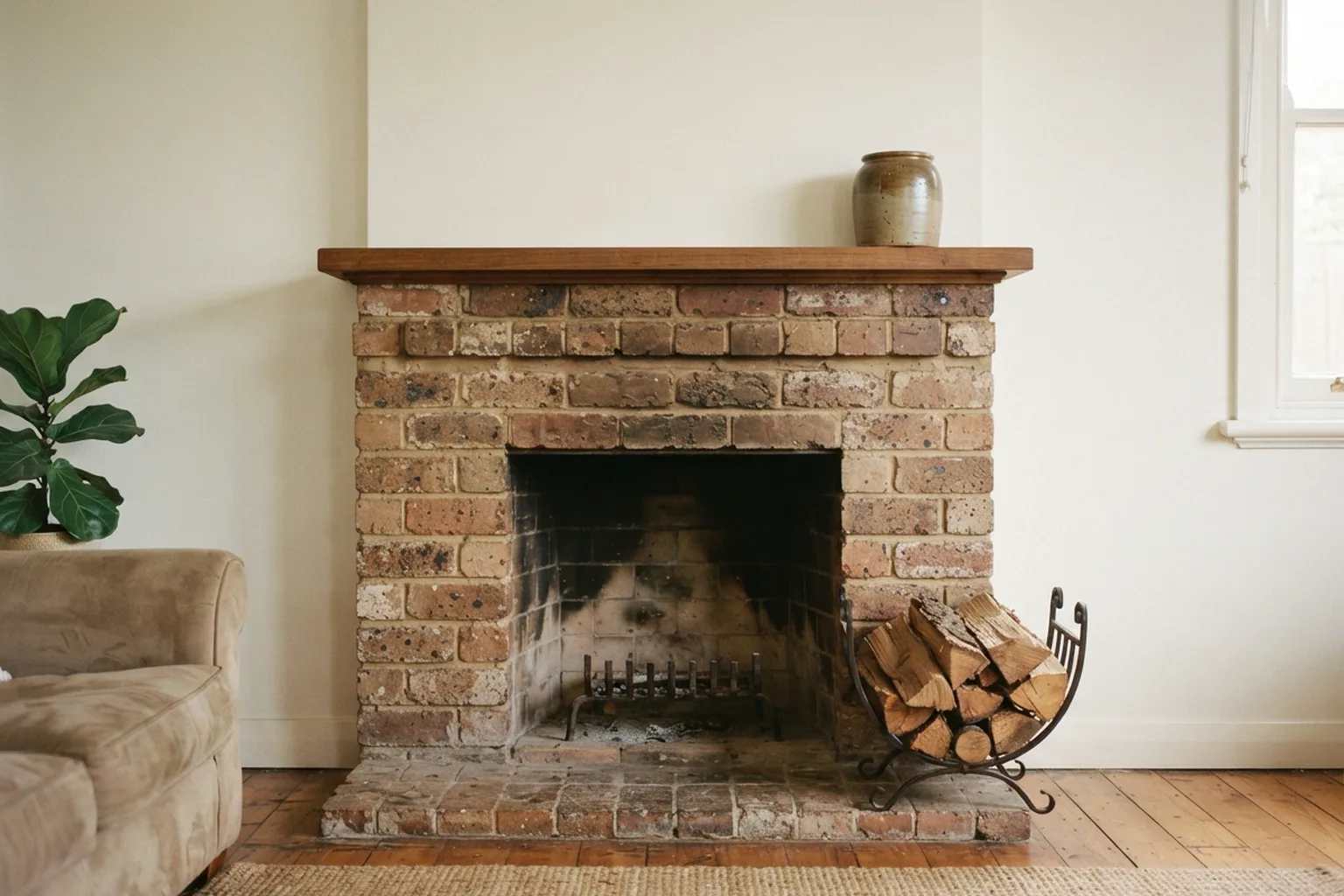
Why light use does not mean a clean flue
It feels logical that fewer fires should mean less soot, and to a point that is true. Heavy, nightly use does put more material into the flue. The trouble is that the way a fire burns matters as much as how often it burns.
Occasional fires are often lit in a cold firebox, under a cold flue, with whatever wood is to hand. They tend to smoulder for a while before they get going, and many get damped down early because the room warms up or everyone goes to bed. That pattern produces a lot of smoke relative to the heat, and smoke that cools on its way up a cold flue is exactly what leaves creosote behind.
On top of that, a chimney is open to the weather all year round. Everything that gets into it from the top, and everything that comes loose from the inside, has nothing to do with how often you light the fire.
The wood matters too. Firewood bought in a hurry at the first cold snap, or a few logs left out in the rain, is often not properly dry. Damp wood spends much of its energy boiling off water, so it burns cooler and smokier than seasoned wood, and that smoke is what leaves deposits in the flue. A winter of only a few fires with damp wood can leave more behind than people expect.
Creosote: why a few cool fires can leave a lot behind
Creosote is the residue that forms when the gases in wood smoke cool and condense on the inside of the flue. It can be a dry, flaky soot that brushes away easily, a sticky tar, or a hard, shiny glaze that is much harder to remove. The stickier and glazed forms are the ones that concern chimney sweeps, because they are flammable and can build up out of sight.
The conditions that encourage creosote are smouldering fires, wood that has not been properly seasoned, and flues that never get properly warm. A fireplace that is used only now and then can tick all three boxes. That is why a sweep will sometimes find more troublesome build-up in a lightly used chimney than in one that ran hot fires all winter.
What gets into a chimney whether you use it or not
- Nests. Spring is nesting season, and a cold flue with no smoke is a sheltered, appealing spot. Nesting material can block a flue completely.
- Leaves, twigs and debris. Chimneys under trees collect material from above, particularly if the cowl or cap is damaged or missing.
- Fallen mortar and brick. Older brick chimneys lose mortar over time, and pieces can drop onto the smoke shelf or into the firebox.
- Damp. Rain getting into the flue mixes with soot and creosote, which is often the cause of a stale, smoky smell in the house on warm, humid days.
- Rust and wear in flues and dampers. Metal flue liners, dampers and cowls corrode, and a damper that has seized or a cowl that has blocked is easy to miss until the fire will not draw.
What you can check yourself
With the fire out and the firebox cold, there are a few safe things you can look at without climbing anywhere.
Open the damper if there is one, and shine a strong torch up the flue. You will not see far, but you may see black, shiny or bubbly deposits, loose material sitting on the smoke shelf, or daylight blocked by something that should not be there. Check the firebox for flakes of black material or pieces of mortar that have fallen down. Look at the walls and ceiling around the chimney breast for water stains. From the ground outside, check that the cowl or cap is in place and the top of the chimney looks intact.
Leave anything on the roof to someone with the right equipment. Roof work is the most dangerous part of the job, and a sweep will inspect the top of the chimney as part of the visit.
Timing the sweep after a quiet winter
The safest approach is to have the chimney checked and swept before you next light the fire, whatever the winter looked like. If it was a very quiet season, the sweep may find little soot and a clear flue, and that is useful to know too. You then go into next winter knowing the flue is sound, not hoping it is.
Booking in the off-season has practical advantages in Melbourne. A sweep done now clears the flue before birds settle in over spring, or a check later in summer can catch any nest that was built. Either way it avoids the late-autumn rush, when the first cold snap sends everyone to the phone at once. If the fireplace smells smoky in warm weather, or you hear birds in the flue, do not wait for autumn.
What a sweep looks at beyond the soot
A proper chimney service is more than pushing a brush up the flue. A good sweep checks the firebox, the damper, the smoke shelf and the flue for deposits and damage, looks at the condition of the brickwork or liner, clears any blockage, and inspects the cowl or cap at the top. You should get a clear explanation of what was found and before and after photos of the flue, so you can see what came out and decide on anything else that needs attention.
If the fireplace is likely to stay unused for good, that is a different conversation, and a sweep can talk you through the options for closing or capping it properly. For everyone else, one check a year, timed before the fire is next lit, keeps the guesswork out of it.
Helpful FreshDuct services & guides
Frequently asked questions
Does a fireplace that is hardly used build up creosote?
It can. Creosote comes from smoke cooling and condensing on the inside of the flue, and it forms fastest when fires burn low and smoky, when the wood is damp, or when the flue is cold. Short, occasional fires on cold evenings often burn exactly that way, so a lightly used fireplace can still have a layer of creosote, sometimes in its harder, glazed form.
Can birds or animals get into a chimney that is not being used?
Yes, and an unused chimney is more attractive to them, not less. A cold flue with no smoke is a sheltered spot for birds to nest in spring, and twigs, leaves and nesting material can block the flue completely. That blockage is invisible from inside the house until the first fire of the next season fills the room with smoke.
When is the best time to book a sweep after a quiet winter?
Any time before you next light the fire works, as long as it is done before the first cold snap rather than during it. Booking in the warmer months means the flue is checked before nests are built over spring, or cleared of them before autumn, and you avoid the busy period when everyone remembers the fireplace at once.
What signs mean the chimney should be checked straight away?
Smoke coming back into the room, a fire that will not draw properly, a strong smoky or tar-like smell from the fireplace in warm weather, flakes of black material falling into the firebox, sounds of birds or animals in the flue, or water and rust stains around the fireplace. Any of these is worth having looked at before the fire is used again.
Get a fast, free quote
Talk to FreshDuct about chimney across Melbourne — 7 days a week, clear upfront pricing, 600+ 5-star reviews.