 FreshDuct
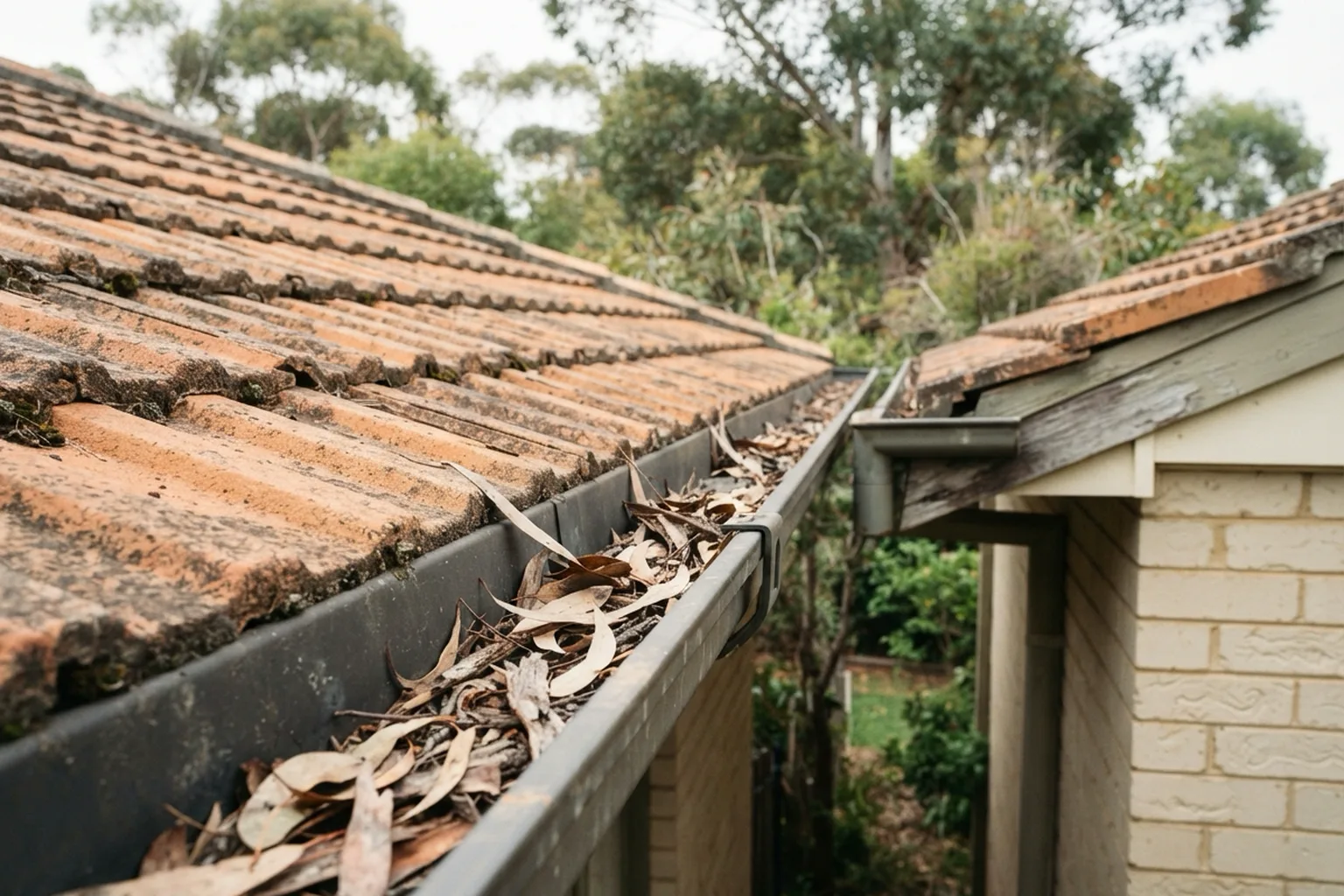
For many households on the edges of Melbourne, the end of spring brings a familiar job to the top of the list. In the outer east, the Dandenong Ranges, the Yarra Valley, the north-east around Eltham and Warrandyte, and pockets right across the suburbs where gum trees overhang the house, the gutters and roof will have collected months of dry leaves, bark and twigs by now.
Quick answer: Dry leaves, bark and twigs sitting in gutters, valleys and on the roof are fine fuel that embers can land in and ignite, which is why clearing them is part of the standard bushfire preparation advice from the CFA. Get gutters, valleys and downpipes cleared before the Fire Danger Period starts in your area, and check again after windy weather through summer.
Clearing that material is part of the standard bushfire preparation advice from the CFA. This post explains why it matters, which parts of the roof to check, and how to time the job so it is done before the risk peaks.
Why roof leaf litter matters in bushfire season
During a bushfire, burning embers can be carried by the wind a long way ahead of the fire front, and they can keep arriving after the fire has passed. Embers that land on a clean roof usually burn out harmlessly. Embers that land in a gutter full of dry gum leaves, or in a roof valley packed with bark, have fine, dry fuel to ignite.
A fire that starts in a gutter sits right against the fascia, the eaves and the edge of the roof. On a tiled roof, embers and burning material can also get under loose or cracked tiles. That is why the CFA includes clearing gutters and removing leaf litter around the home among the basic steps to prepare a property for the fire season.
Even well inside the suburbs, a gutter full of dry leaves is worth clearing. Grassfires and spot fires do happen at the urban fringe, and blocked gutters cause their own problems with overflow and water damage when summer storms arrive.
Which parts of the roof collect the most debris
- Gutters along the eaves. The obvious one. Gum leaves are long and stiff, so they pack together and dry out quickly.
- Roof valleys. Where two roof sections meet, leaves and bark slide down and collect along the join, often out of sight from the ground.
- Box gutters and internal gutters. Common on some period and modern homes, and easy to forget because they are hidden behind parapets.
- Behind chimneys, skylights and solar panels. Anything that interrupts the flow of the roof creates a pocket where debris builds up.
- Downpipes and pop-outs. Not a fire risk in themselves, but a blocked downpipe means the gutter holds debris and water rather than shedding it.
Gutter guards help, but they do not take the job away. Leaves still collect on top of the mesh and along the edge of the roof, valleys and box gutters are usually not covered at all, and fine debris works its way underneath over time. A roof with gutter guards still needs the guards, valleys and ridge checked and cleared before the fire season, even if the gutters themselves stay cleaner.
What a proper before-season clear covers
Scooping the obvious leaves out of the front gutter is a start, but it misses much of the roof. A thorough clear before bushfire season works across the whole roof in a set order.
It starts with the roof surface itself, clearing leaves, bark and twigs from the valleys, around the ridge and from behind anything that sits on the roof. Then the gutters are emptied along their full length, the downpipes are checked to make sure water flows freely, and the debris is bagged and taken away rather than left in a pile beside the house where it becomes fuel at ground level.
While on the roof, it is worth noting anything that would let embers in. Cracked or slipped tiles, gaps at the ridge capping, and openings around vents and eaves are all worth a mention to the homeowner, so they can be repaired before summer.
Overhanging trees and the surrounds
The roof only stays clear if the source of the litter is managed too. Branches overhanging the roof drop leaves and bark directly into the gutters, and in strong wind they can damage the roof itself. Pruning branches back from the roofline, with the right permits where trees are protected by your local council, reduces how much material reaches the gutters through summer.
The CFA preparation advice also covers the area around the house, not just the roof. Raking up leaf litter near the walls, moving woodpiles and other flammable items away from the house, and keeping grass short around the property all work alongside a clean roof.
Timing the job in Melbourne
The CFA declares the Fire Danger Period for each municipality separately, based on local conditions, so the start date varies across Melbourne and regional Victoria. The best time to clear gutters and roof litter is before that period starts in your area, ideally during a dry spell in spring.
For homes under gum trees, one clean is rarely enough for the whole summer. Eucalypts shed leaves and bark through the warmer months, and hot, gusty days bring down more. A second check after a run of windy weather, or partway through summer, keeps the gutters from refilling with dry fuel at the worst possible time.
Keep an eye on the roof from the ground as the season goes on. Leaves visible along the gutter line, plants growing out of the gutter, or water spilling over the edge during a summer storm all mean the gutters have filled again. A quick check after each spell of hot northerly wind is a good habit for homes under trees.
If you are heading away over the holidays, have the roof cleared before you leave. It is one less thing to worry about if a hot, windy day is forecast while the house is empty.
Doing it safely
Gutter cleaning means working at height, and falls from ladders and roofs are a real risk, especially on steep, tiled or two-storey homes, or roofs with moss and lichen. If you clean your own gutters, work from a stable ladder on firm, level ground, have someone with you, move the ladder rather than leaning out, and stay off the roof when it is wet.
For anything beyond a simple single-storey roof, a professional service is the safer option. A good service will clear the roof, gutters and downpipes, take the debris away, point out any damage they saw, and give you before and after photos so you know exactly what was done.
Helpful FreshDuct services & guides
Frequently asked questions
Why do leaves in gutters matter in a bushfire?
In a bushfire, embers can be carried by the wind well ahead of the fire itself. Dry leaves, bark and twigs packed into a gutter or roof valley are fine, dry fuel sitting right against the house, and an ember landing in them can start a fire on or under the roof. Clearing that material removes the fuel, which is why the CFA includes cleaning gutters in its bushfire preparation advice.
When should gutters be cleaned before bushfire season?
Ideally in spring, before the Fire Danger Period is declared in your area and before the hottest, driest weather arrives. The CFA sets Fire Danger Period dates by municipality, so they differ across Melbourne and regional Victoria. Gum trees drop leaves and bark through summer, so homes under trees benefit from a second check partway through the season.
Do gutter guards remove the need to clean before fire season?
Gutter guards reduce the amount of material that gets into the gutter, but they do not stop leaves collecting on top of the guard, in roof valleys or against the ridge, and fine debris still builds up underneath over time. Homes with gutter guards still need the roof and guards checked and cleared of leaf litter before fire season.
Is it safe to clean my own gutters?
Working at height is risky, especially on steep, tiled or two-storey roofs. If you do it yourself, use a stable ladder on firm ground, have someone with you, never lean out past the ladder and stay off wet or mossy roofs. Many people choose a professional service for anything beyond a single-storey home with easy access.
Get a fast, free quote
Talk to FreshDuct about roof services across Melbourne — 7 days a week, clear upfront pricing, 600+ 5-star reviews.