 FreshDuct
It is one of the most common calls of a Melbourne summer. The cooler worked brilliantly on a scorching dry day last week, and today, on a warm, sticky, overcast afternoon, the air from the ceiling outlets feels barely cooler than the room. The natural worry is that something has broken. Often it has not. Evaporative coolers have a built-in limit, and humid weather is exactly where you meet it.
Quick answer: Often nothing is wrong. An evaporative cooler cools by evaporating water into the air, and on a humid day the air can take up less water, so the cooler simply cannot cool as much. If it also struggles on dry, hot days, or airflow, smell or noise has changed, that points to a real fault worth a service.
This post explains why that happens, how to tell the difference between a muggy-day limit and a genuine fault, and what you can do in the meantime.
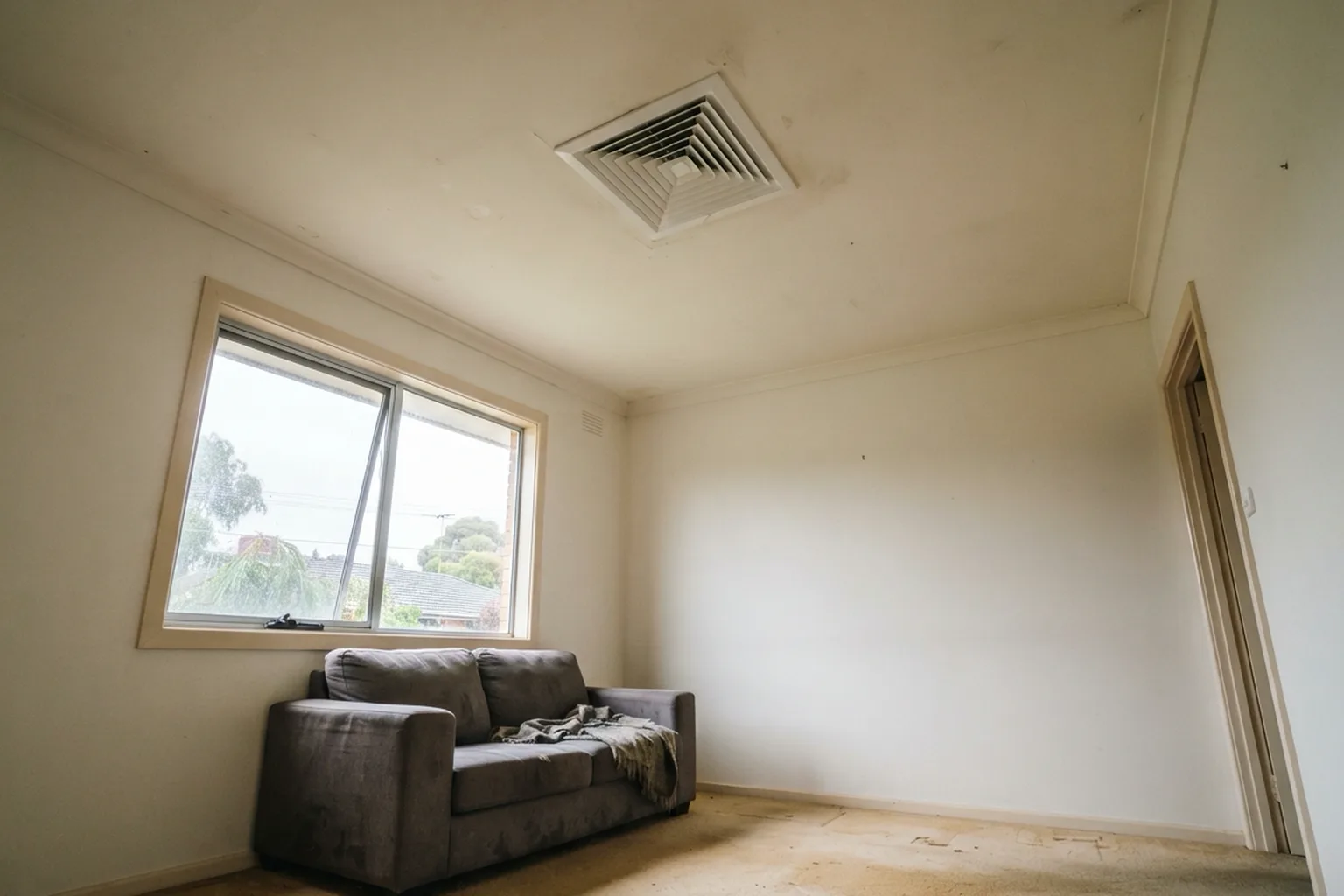
How an evaporative cooler actually cools
An evaporative cooler does not use refrigerant or a compressor. A fan on the roof draws outside air through pads kept wet by a small pump. As that air passes through, some of the water evaporates, and evaporation takes heat out of the air. The cooler, moister air is then pushed through ducts and out of the ceiling outlets, and it leaves the house again through open windows and doors.
The important part is that the amount of cooling depends on how much water the air can take up. Very dry air can absorb plenty, so it cools a lot. Air that is already holding a lot of moisture can absorb much less, so it cools far less. The machine has not changed; the air going into it has.
Why Melbourne summers throw up both kinds of day
Melbourne gets the classic dry heat that evaporative cooling suits well: hot northerly winds coming off the inland, low humidity and a big temperature swing. Those are the days when an evaporative system feels excellent.
But summer here also brings warm, humid spells, often ahead of a cool change, during tropical moisture pushing down from the north, or on still, overcast days after rain. On those days the outside air is already damp, so the cooler has less to work with. It is also why the same unit can feel very different from one week to the next.
- Dry, hot day: the cooler is at its best and the air from the outlets feels noticeably cool.
- Warm, humid day: airflow is the same, but the air feels only mildly cooler and rooms can feel a little clammy.
- Hot and humid together: the hardest combination for any evaporative system. Expect it to take the edge off rather than make the house cold.
Signs it is the weather, not the cooler
If most of the following are true, the cooler is probably working as designed and the humidity is the limit:
- Air still blows strongly and evenly from every outlet in the house.
- The air feels less cool than usual, but not warm or stale.
- Cooling improves again once a dry change comes through.
- There are no new smells, noises or water stains around the outlets.
- If you can safely see the unit from the ground, there is no water overflowing from it.
In that case there is nothing to fix. The best you can do is help the cooler work with the conditions, which we cover below.
Signs something is genuinely wrong
Some symptoms do not go away on dry days, and they point to a fault rather than the weather:
- Poor cooling on dry days as well. This is the clearest sign. If the cooler cannot cool on a hot, dry afternoon, the problem is inside the unit.
- Weak airflow. Blocked or crusted pads, a slipping fan belt or a failing motor can all reduce how much air reaches the rooms.
- A musty or swampy smell. Stale water in the tray, algae on the pads or a blocked drain can make the air smell, especially at the start of the season.
- Dry strips on the pads. A worn pump, blocked water distribution channels or a stuck float valve can leave parts of the pads dry, so air passes through without being cooled.
- Noise or leaks. A pump that hums without moving water, grinding from the fan, or water stains on the ceiling near the outlets all need checking.
Pads are a common culprit. Over time, minerals from Melbourne tap water build up on them, and they stop soaking evenly. Our post on whether to clean or replace evaporative cooler pads goes into how to tell.
What helps on a humid day
You cannot change the weather, but you can help the cooler make the most of it:
- Open the right windows. An evaporative system needs an exit for the air. Open windows or doors in the rooms you want cooled, ideally on the side away from the wind. Without an exit, humid air builds up indoors and rooms feel sticky.
- Run the fan on a higher setting. More air movement makes a room feel cooler even when the air is only slightly cooled.
- Try fan-only mode. On very humid days, some people find that moving outside air through the house without wetting the pads feels less clammy.
- Start early. Turning the cooler on before the house heats up is easier than trying to pull the temperature down in the late afternoon.
- Keep the sun out. Close blinds and curtains on the sunny side of the house so the cooler is not fighting heat coming through the glass.
If your house has both an evaporative system and a split system, a humid day is when the refrigerated unit earns its keep, because it removes moisture as it cools.
When to book a service
If the cooler struggles on dry days, or you notice any of the fault signs above, it is worth having it looked at before the hottest weeks of summer. A service covers the pads, pump, water distribution, float valve, drain and fan, and cleans out the dust and sludge that build up over autumn and winter. It is also a good time to check the roof flashing around the unit, which our technicians can reseal if it has lifted.
It is worth remembering the ducts too. Dust that gets past the pads settles in the ductwork and outlets, and our post on evaporative cooling duct cleaning explains where it gathers.
FreshDuct services evaporative coolers across Melbourne seven days a week, with no call-out fee, and you pay after the job. Every job comes with before and after photos, so you can see exactly what was found and done.
Helpful FreshDuct services & guides
Frequently asked questions
Why does my evaporative cooler feel weaker on muggy days?
Because it relies on evaporation. Dry air soaks up water from the wet pads easily, and that evaporation is what takes heat out of the air. When the outside air is already full of moisture, less water evaporates, so the air coming through the outlets is less cool. The cooler is working; the weather is limiting it.
Should I close the windows when the cooler is struggling?
No. An evaporative system needs somewhere for the air to go. Closing up the house traps the humid air inside and makes rooms feel clammy. Keep a window or door open in the rooms you want cooled, ideally on the side away from the wind.
How can I tell if the pads or pump are the problem?
Watch how the cooler behaves on a dry, hot afternoon. If cooling is still poor, or you notice weak airflow, a musty smell, dripping or a pump that hums without moving water, the pads, pump or water distribution may need attention. A service checks all of these together.
Is it worth servicing an evaporative cooler before summer?
Yes. A pre-summer service checks the pads, pump, water distribution, float valve and drain, and cleans out the build-up from the off-season, so that on the hot, dry days when the cooler can do its best work, it actually does.
Get a fast, free quote
Talk to FreshDuct about air conditioning across Melbourne — 7 days a week, clear upfront pricing, 600+ 5-star reviews.