 FreshDuct
In a small office, the split system is one of those things nobody thinks about until the first hot morning of the year. Someone turns it on, a stale smell drifts across the room, the air coming out feels weak, and by lunchtime half the team is complaining. Most of that can be caught in a short walk around the office before summer, and sorted before it becomes a problem.
Quick answer: Before summer, check every office split system for dusty filters, musty smells on start-up, drips or water marks, weak airflow and blocked outdoor units. Units that fail any of these are due for a full clean of the coil, blower wheel and drain, ideally booked before the first hot week so staff are not working through it.
This checklist is written for small businesses: offices, clinics, studios, shops and consulting rooms with a handful of wall-mounted split systems. It covers what to look at, what each sign means and when it is time to book a professional clean.
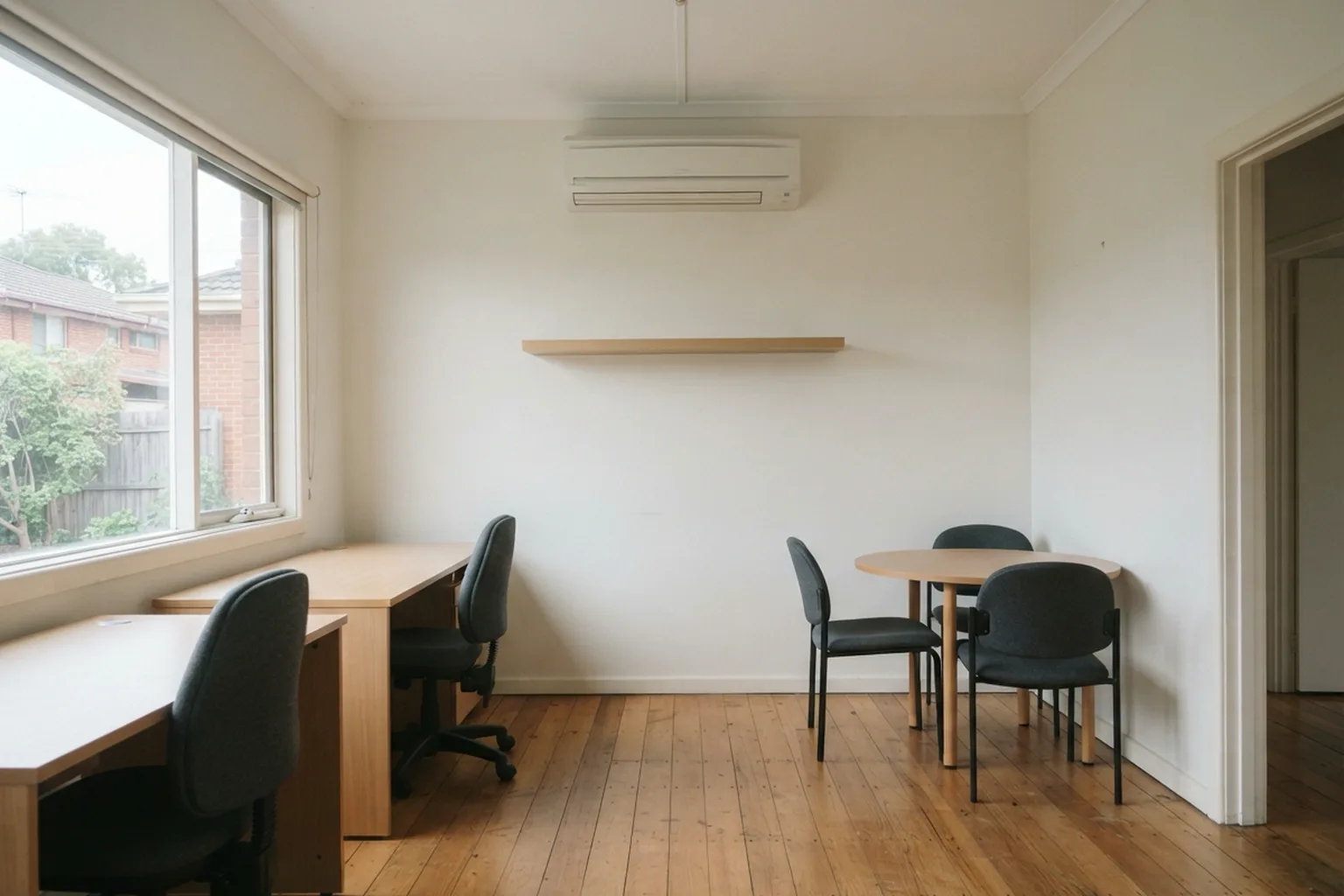
Why office units get dirtier than home units
An office split system usually works much harder than the one in your bedroom. It runs for whole working days, often five or more days a week, in rooms full of people, paper, carpet and computers. Every hour of running pulls dust, skin flakes, fibres and moisture through the unit.
The filter catches the larger particles, but plenty of fine dust gets past it. That dust settles on the coil and the blower wheel, which stay damp while the unit is cooling. Damp dust in a dark space is exactly where mould and bacteria grow. In an office, the build-up simply happens faster, and more people breathe the air it comes back out in.
Offices also tend to have units in rooms that are closed overnight and over weekends, such as meeting rooms and private offices. Those rooms trap warm, still, humid air, which suits mould growth inside the unit even when nobody is using it.
The pre-summer walk-around
You do not need tools for this. Pick a quiet morning, take a torch and work through each unit in turn, noting which ones raise a concern.
- Filters: open the front cover and slide the filters out. A light film of dust is normal. Grey felt, clumps or filters that look like they have not been touched in a year mean the unit has been struggling.
- Smell: turn each unit on in cooling mode and stand under it for a couple of minutes. A musty, sour or damp-sock smell is the clearest sign of growth inside.
- Drips and marks: look at the wall below the unit and the desk or floor beneath it. Water marks, drips or a gurgling sound point to a blocked drain.
- Airflow: hold a hand in front of the outlet. If a unit that used to blow strongly now feels weak, the blower wheel is likely coated.
- Outdoor units: check that nothing is stacked against the condensers outside. Boxes, bins and leaf litter stop them breathing on the hottest days.
What each sign usually means
Dirty filters on their own can be washed and refitted, and that is worth doing straight away. But filters are only the first layer. When a unit also smells, drips or blows weakly, the problem is deeper inside, on parts you cannot reach without taking the unit apart.
A musty smell almost always means growth on the coil or blower wheel. Weak airflow usually means the fins of the blower wheel are packed with grime, so it moves less air at the same speed. Drips and water marks mean the drain line or tray is partly blocked with slime, so water backs up and spills. None of these fix themselves, and all of them tend to get worse once the unit runs every day through summer.
It also helps to listen to staff. People sitting directly under a unit notice smells and draughts first. If the same person keeps mentioning a headache-y, stuffy room, or a smell when the aircon comes on, that unit belongs at the top of the list.
What a professional clean covers
A proper split system clean goes well beyond the filters. The technician covers the wall and furniture below the unit, fits a catch bag, and then cleans the parts that actually hold the grime:
- The evaporator coil, where dust and moisture combine and growth starts.
- The blower wheel, the long barrel fan that pushes air into the room.
- The drain tray and drain line, so water leaves the unit instead of the wall.
- The filters, louvres and casing.
- A check of the outdoor unit, so it is clear to work hard in the heat.
Before and after photos are taken of every job, so you can see what came out of each unit. For businesses that need it, a written report can be provided for your records, your landlord or your property manager.
Booking around your business
The best time to book is before the first run of hot days, not during it. Once Melbourne has its first proper heatwave, everyone wants their aircon looked at in the same week, and you will be cleaning around a hot, unhappy office instead of a calm one.
Cleaning one unit at a time means the rest of the office can usually keep working. If you would rather avoid any disruption, FreshDuct works 7 days a week, so a clean can be booked for a weekend or a quieter day. Let us know how many units you have, roughly where they are and when the office is quietest, and we will plan the visit around that.
- List each unit and the room it is in.
- Note which ones smell, drip or blow weakly.
- Mention whether there is ducted heating or cooling as well, so it can be looked at in the same visit.
Keeping units clean through summer
After a clean, a few simple habits keep the units working well. Wash the filters regularly during the busiest months, keep the area under each unit clear so air can circulate, and keep the outdoor condensers free of rubbish and stacked stock. If a unit starts to smell again, or water marks reappear on the wall, book it in early rather than waiting for the end of summer.
If your premises also have ducted heating or cooling, it is worth having the ducts and return air looked at too, especially in older fit-outs where the ducts may not have been cleaned in years. You can read more about commercial air duct cleaning. There is no call-out fee, and you pay after the job is done.
Helpful FreshDuct services & guides
Frequently asked questions
How often should office split systems be cleaned?
It depends on how hard they work. Units running all day in a busy office, a shop or a consulting room collect dust and moisture far faster than a bedroom unit at home. A yearly clean before summer suits most small offices, with filters checked more often in between. Units over busy desks or in kitchens and staff rooms may need attention sooner.
Can the cleaning be done without shutting the office?
Usually, yes. Each unit is cleaned in turn with covers and catch bags in place, so the rest of the office keeps working. FreshDuct works 7 days a week, so a clean can also be booked for a weekend or a quieter day if you would rather nobody is at their desk.
Why does the office aircon smell musty when it first starts?
A musty or sour smell in the first few minutes is usually mould and bacteria growing on the damp coil, blower wheel or drain tray inside the unit. Filters do not stop it. A full clean of those parts removes the build-up that causes the smell.
Do you clean ducted systems in commercial buildings too?
Yes. As well as wall-mounted split systems, FreshDuct cleans ducted heating and cooling in commercial premises, including the ducts, outlets and return air. Before and after photos are taken on every job, and a written report can be provided for your records or your landlord.
Get a fast, free quote
Talk to FreshDuct about hvac cleaning across Melbourne — 7 days a week, clear upfront pricing, 600+ 5-star reviews.