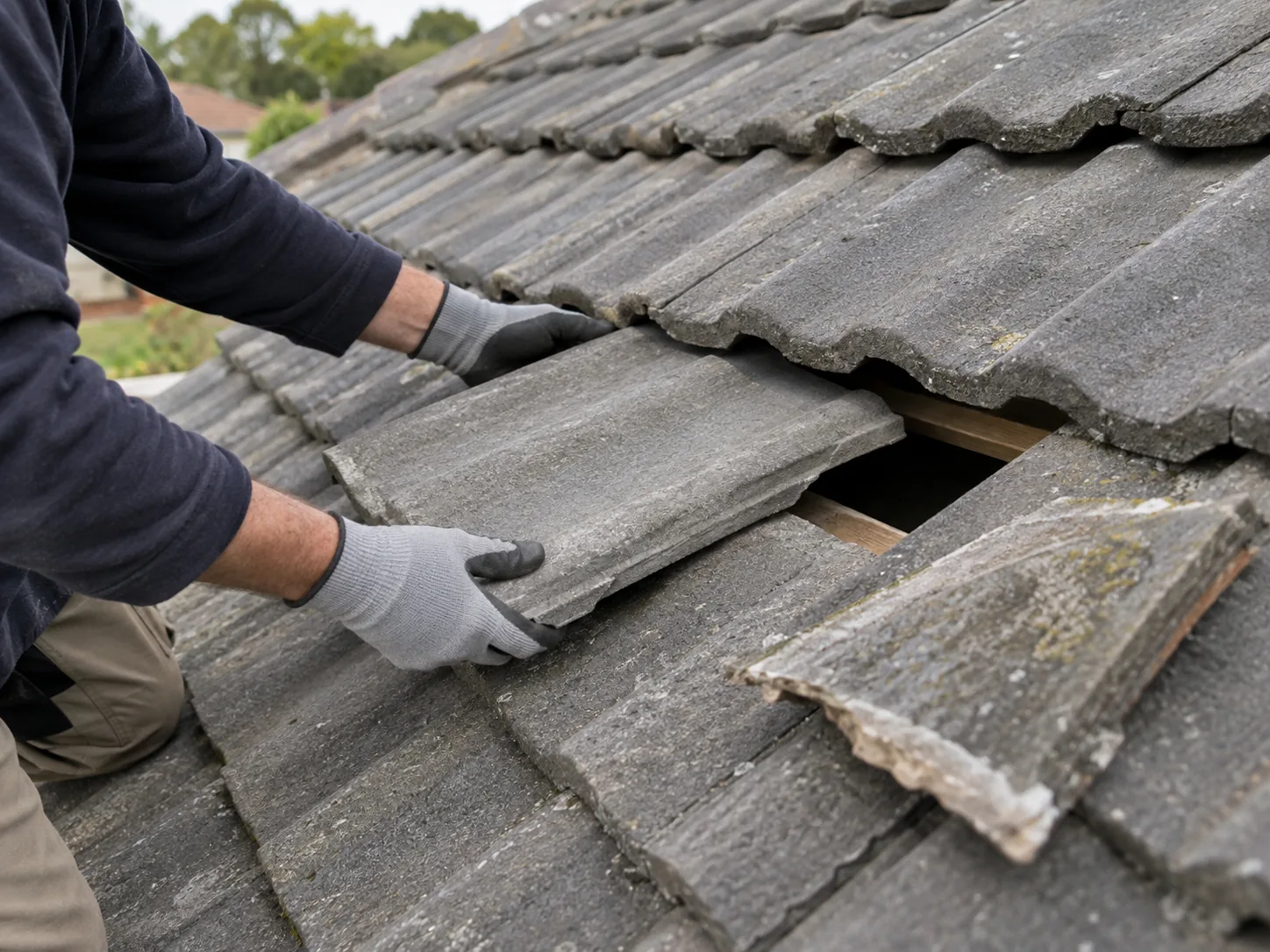
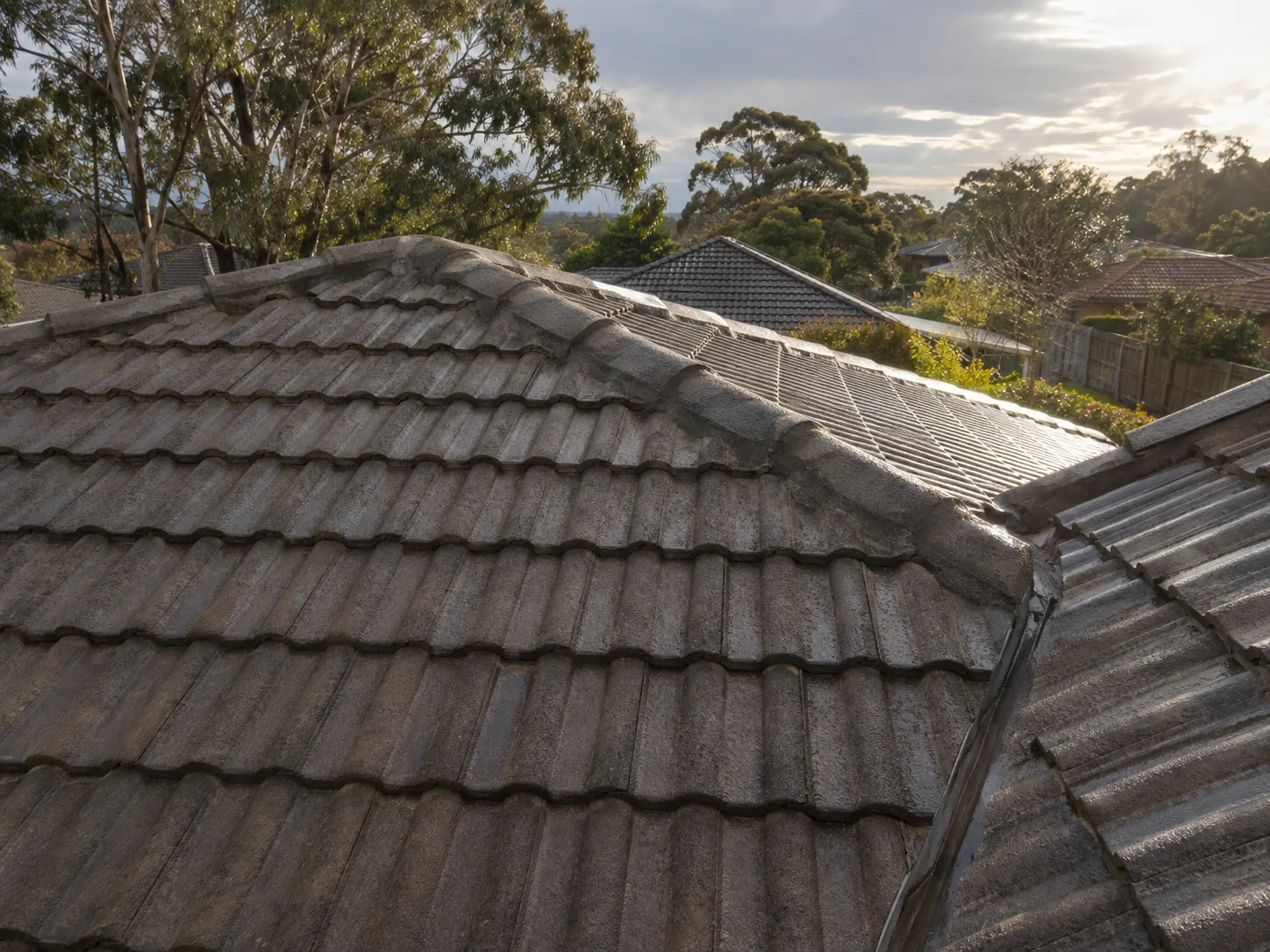
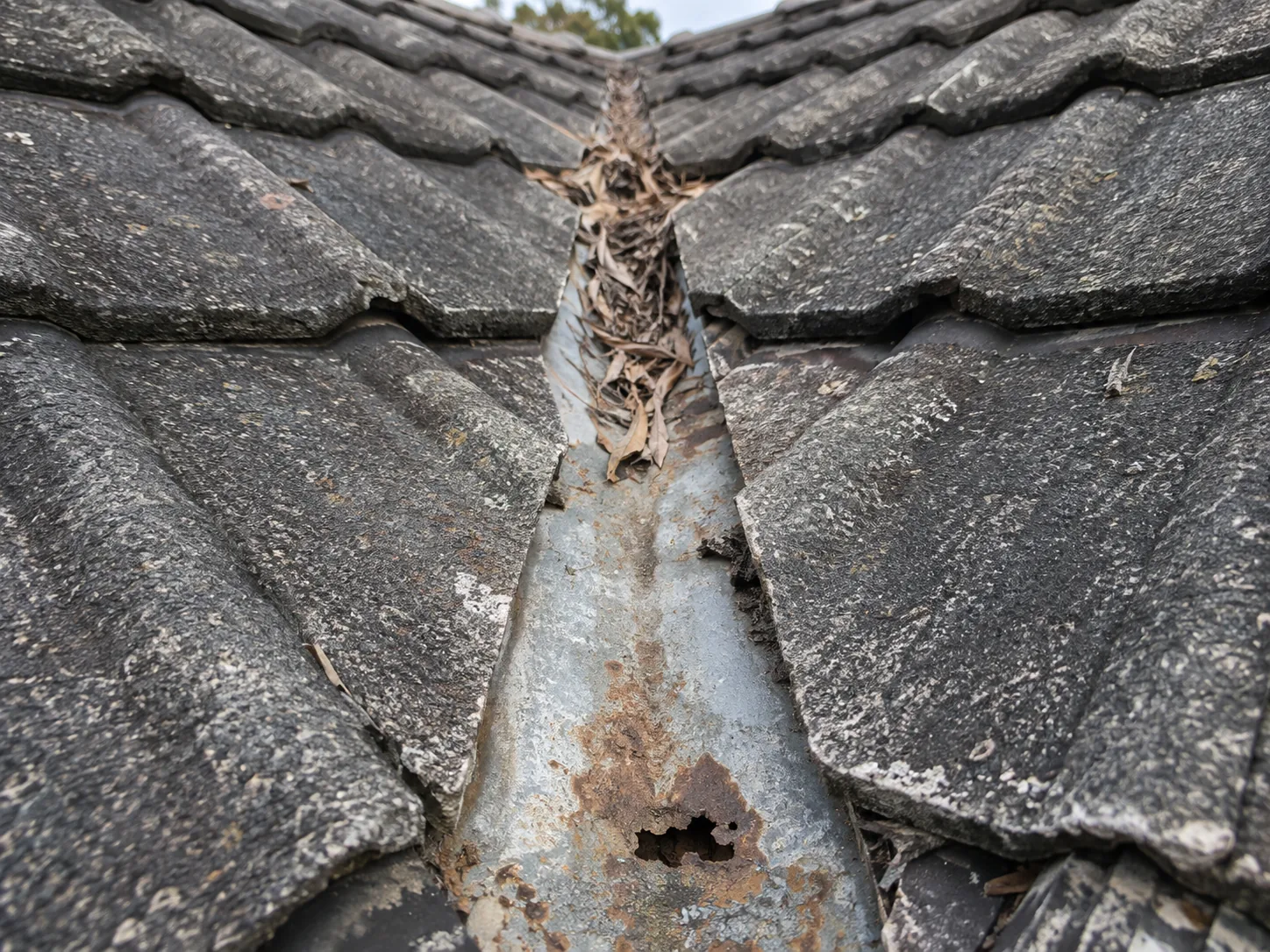
A tile roof keeps water out by overlap. Each tile sheds rain onto the tile below it and the tile beside it, and the whole roof works as long as every tile is whole and sitting where it was laid. Crack one, and water runs through the crack onto whatever is under it.
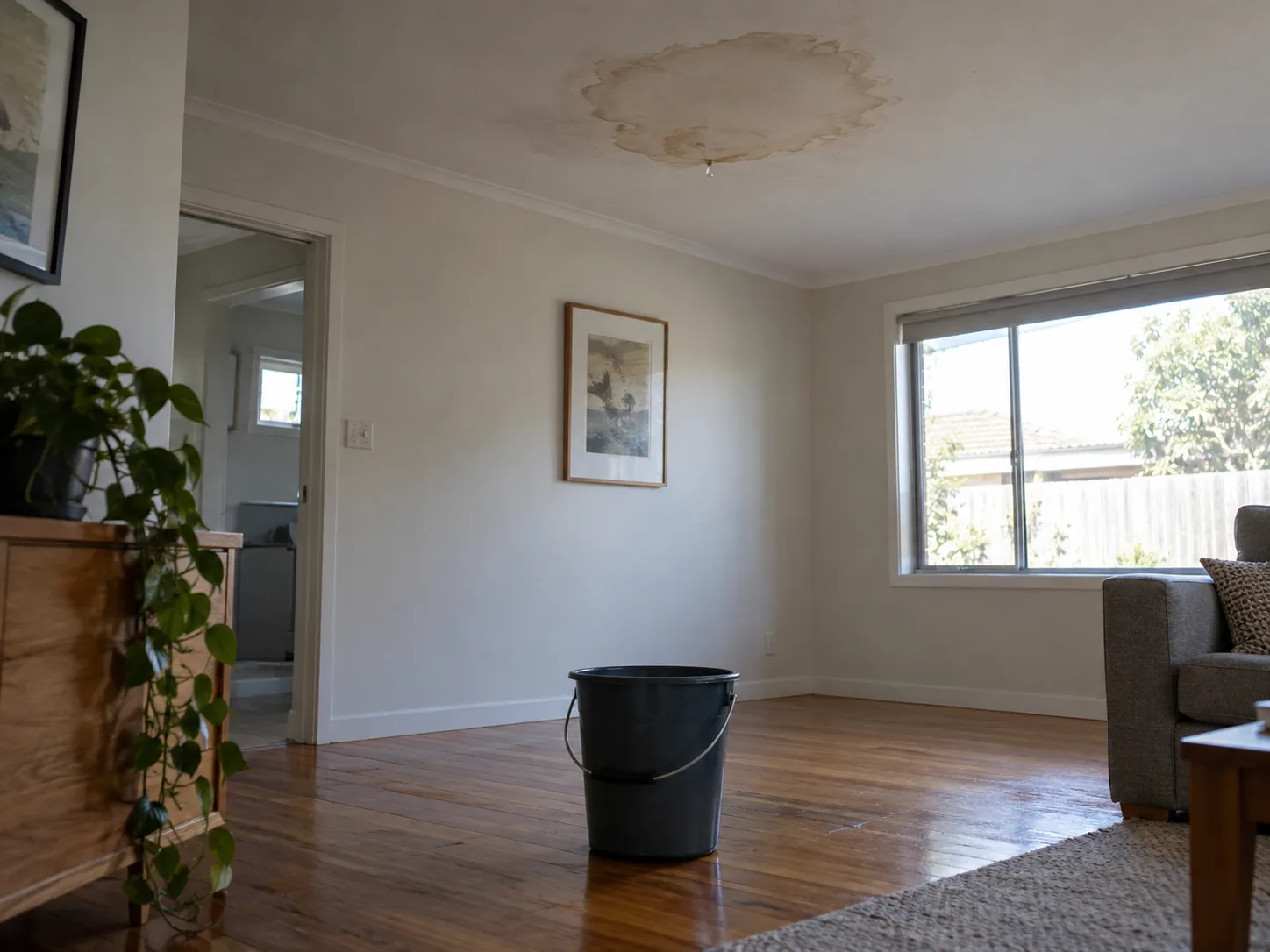
What is under it depends on the age of the house. Roofs built or re-roofed in the last few decades usually have sarking, a reflective foil membrane laid over the rafters before the battens went on. It catches the water from a cracked tile and carries it down to the gutter, which is why a broken tile can go unnoticed for a year or more. But sarking is not a second roof. Water pooling on it rots the battens and rafters it lies against, finds every staple hole, and, once the membrane tears or sags, drops straight onto the ceiling below.
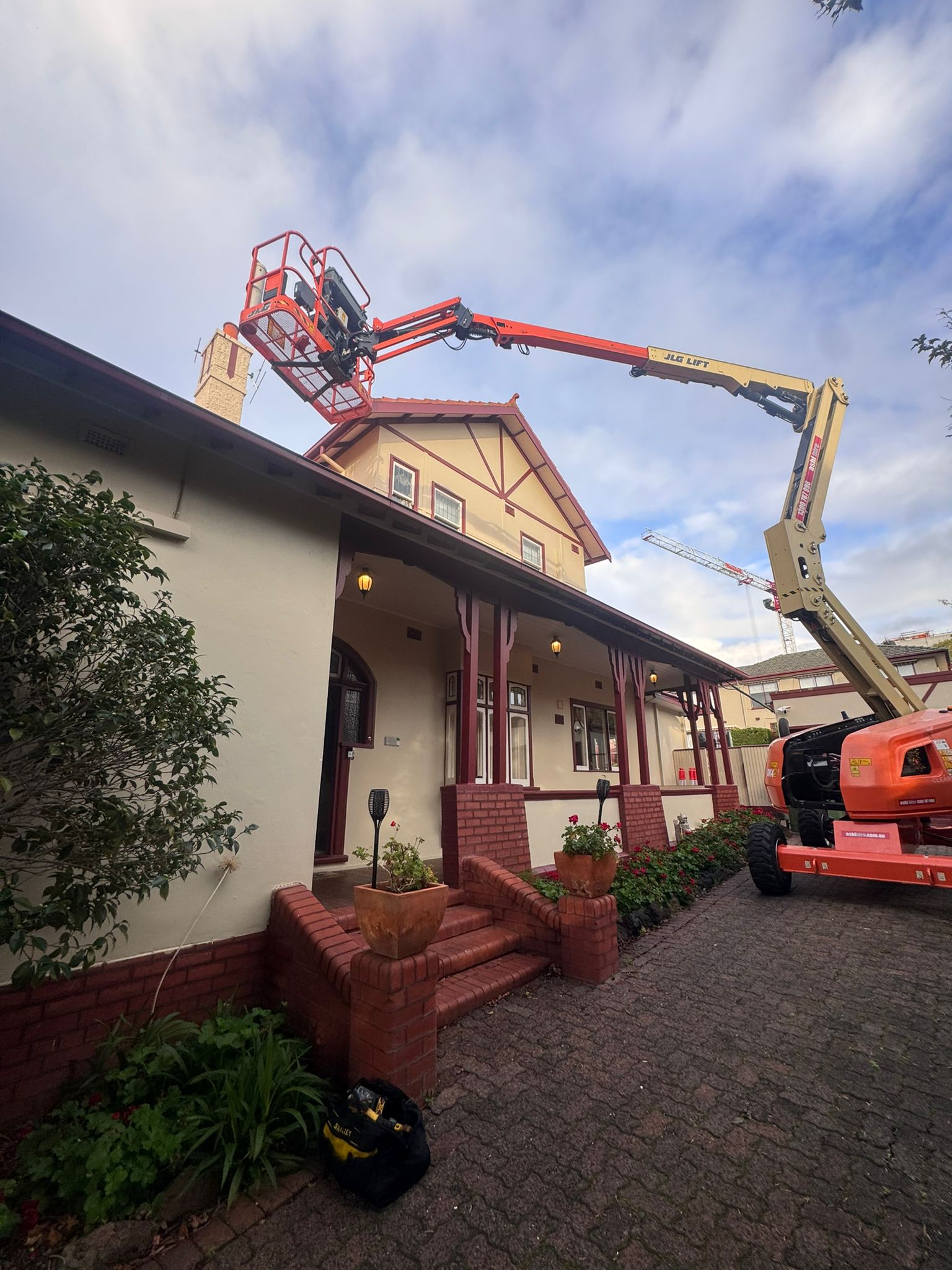
Older roofs across Melbourne, including most of the terracotta roofs on period homes, have no sarking at all. There, a cracked tile leaks onto the ceiling the first time it rains hard, and the timber and plaster under it are wet from that day on.
Either way, the tile is the cheap part. The battens, the insulation, the ceiling plaster and the cornice under it are not. Replacing a cracked tile the month you find it is the difference between a small repair and a ceiling repair.
 FreshDuct